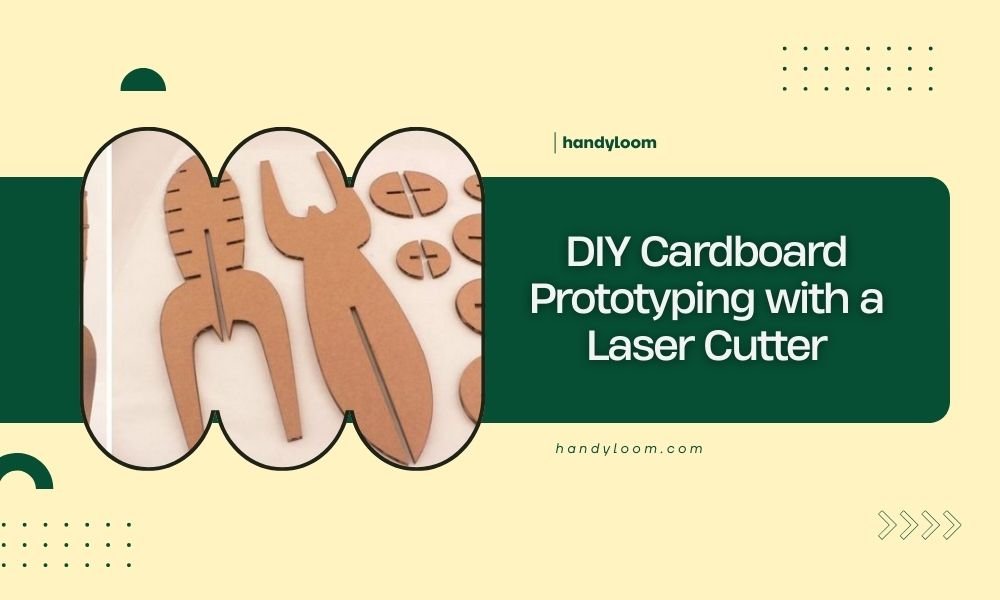
DIY cardboard prototyping with a laser cutter lets you create precise, professional-looking models quickly and affordably using corrugated cardboard sheets.
You can prototype everything from product designs to architectural models by cutting cardboard with laser precision, achieving clean edges and complex shapes impossible with traditional tools.
Why Cardboard Makes Perfect Prototype Material
Cardboard costs pennies compared to other materials. You probably have some lying around your house right now. It cuts beautifully on laser cutters and holds its shape well enough for testing ideas.
Think of cardboard as your creative sandbox. You can fail fast, iterate quickly, and move on to better versions without breaking the bank. Many successful products started as cardboard mockups.
Types of Cardboard That Work Best
Single-wall corrugated cardboard works great for most projects. It’s about 3-4mm thick and cuts cleanly. Double-wall cardboard gives you more strength but takes longer to cut.
Avoid glossy or coated cardboard. The coating can create toxic fumes when laser cut. Stick with plain brown or white corrugated sheets from office supply stores.
Setting Up Your Laser Cutter for Cardboard
Cardboard burns easily, so you need gentle settings. Start with low power and high speed. You can always make a second pass if needed.
Recommended Laser Settings
| Material Thickness | Power Setting | Speed Setting | Passes |
|---|---|---|---|
| 3mm Single-wall | 30-40% | 80-100% | 1-2 |
| 6mm Double-wall | 50-60% | 70-80% | 2-3 |
| 1.5mm Thin card | 20-30% | 100% | 1 |
Safety Tips for Cutting Cardboard
Never leave your laser cutter unattended when cutting cardboard. It can catch fire quickly. Keep a spray bottle of water nearby just in case.
Make sure your exhaust fan works well. Burning cardboard creates smoke that you don’t want to breathe. Good ventilation keeps your workspace safe and comfortable.
Designing Files for Cardboard Prototypes
Your design software matters less than understanding how cardboard behaves. Cardboard has grain direction like wood. It bends easier along the corrugation lines.
Account for Material Thickness
When designing tabs and slots, measure your cardboard thickness first. Don’t assume all cardboard measures exactly 3mm. Mine often measures 3.2mm or 2.8mm.
Make your slots slightly larger than the material thickness. A 0.1mm gap lets pieces fit together without forcing them. Tight fits can tear the cardboard.
Design Smart Connection Methods
Tabs and slots work well for temporary assemblies. For stronger connections, design areas where you can add tape or glue. Think about how someone will actually put your prototype together.
Living Hinges in Cardboard
You can create flexible hinges by cutting parallel lines partway through the cardboard. Space them about 1-2mm apart. This lets the cardboard bend without breaking.
Score Lines for Clean Folds
Use your laser to score fold lines lightly. Set the power to about 10-15% so it cuts the top layer but not all the way through. Your folds will look crisp and professional.
Project Ideas to Get You Started
Simple Phone Stand
A phone stand makes a great first project. You need just a few pieces that slot together. You can test different angles and adjust the design easily.
Start with a basic triangle shape. Add a slot for your phone and tabs to hold the pieces together. The whole project uses maybe 6 inches of cardboard.
Small Storage Box
Boxes teach you about material grain and structural strength. Design a simple rectangular box with a lid. You’ll learn how cardboard behaves under stress.
Pay attention to which direction the corrugations run. Boxes are strongest when the corrugations run vertically on the sides.
Architectural Model
Cardboard shines for building models. You can create detailed structures quickly and cheaply. Architects and designers use cardboard models all the time.
Start simple with basic shapes. Add detail as you get comfortable with the material. Windows, doors, and decorative elements all cut beautifully.
Assembly Tips That Actually Work
Dry Fit Everything First
Put your prototype together without glue first. This shows you where pieces don’t fit right. It’s much easier to fix design problems before adding adhesive.
Take photos of your dry-fitted prototype. These help you remember how pieces go together and document your design process.
Choose the Right Adhesive
White glue works fine for permanent assemblies. Hot glue sets fast but creates messy joints. Double-sided tape gives you clean, removable connections.
For presentation models, I found that spray adhesive gives the cleanest results. Just mask off areas you don’t want glued.
Troubleshooting Common Problems
Burn Marks on Edges
Lower your power setting and increase speed. Multiple light passes work better than one heavy pass. Clean your laser lens too – dirty optics create hotspots.
Pieces Don’t Fit Together
Measure your actual material thickness. Design files assume perfect measurements, but real cardboard varies. Adjust your slot sizes accordingly.
Warping and Curling
Store your cardboard flat and dry. Humid conditions make cardboard warp. If pieces curl after cutting, place them under books overnight to flatten.
Weak Joints
Add more surface area to your joints. Small tabs break easily under stress. Larger connection areas distribute force better and last longer.
Making Your Prototypes Look Professional
Clean Up Rough Edges
Light sanding smooths rough cut edges. Use fine sandpaper and work gently. You just want to remove loose fibers, not change the shape.
Add Color and Graphics
Cardboard takes paint well. Spray paint gives even coverage. Markers and colored pens work for details and labels.
You can also print graphics on paper and glue them to your prototype. This works great for product mockups with logos and text.
Testing and Iteration
The best part about cardboard prototyping is how easy it is to make changes. Found a problem? Cut new pieces and try again. The material is so cheap that failures don’t hurt.
Keep notes on what works and what doesn’t. Photo document different versions. This information becomes valuable when you move to final materials.
When to Move Beyond Cardboard
Cardboard has limits. It’s not waterproof, doesn’t handle much weight, and looks obviously temporary. But it’s perfect for proving concepts and testing fit.
Once your cardboard prototype works well, you can confidently move to better materials. You’ve already solved the hard design problems with cheap cardboard first.
Conclusion
DIY cardboard prototyping with a laser cutter opens up amazing possibilities for makers and designers. You get precision cutting at a fraction of the cost of other materials. Start with simple projects to learn how cardboard behaves, then tackle more complex designs as your skills grow. The combination of affordable material and precise cutting makes cardboard prototyping one of the most practical skills any maker can develop.
What thickness cardboard works best for laser cutting?
Single-wall corrugated cardboard (3-4mm thick) works best for most projects. It cuts cleanly, holds its shape well, and costs very little. Avoid coated or glossy cardboard as it can produce toxic fumes when laser cut.
How do I prevent cardboard from catching fire during laser cutting?
Use low power settings (30-40%) with high speed (80-100%) and never leave the laser unattended. Keep a spray bottle of water nearby and ensure good ventilation. Multiple light passes work safer than one heavy pass.
Should I account for material thickness in my design files?
Yes, always measure your actual cardboard thickness first. Make slots about 0.1mm larger than the measured thickness to allow easy assembly without forcing pieces together, which can tear the cardboard.
Can I create hinges and folds in laser-cut cardboard?
You can make living hinges by cutting parallel lines 1-2mm apart partway through the cardboard. For clean folds, use low power (10-15%) to score lines that cut the top layer only, creating professional-looking fold lines.
What’s the best way to join cardboard pieces together?
Dry fit everything first to check alignment. For permanent assembly, white glue works well, while double-sided tape offers clean, removable connections. Spray adhesive gives the cleanest results for presentation models.