
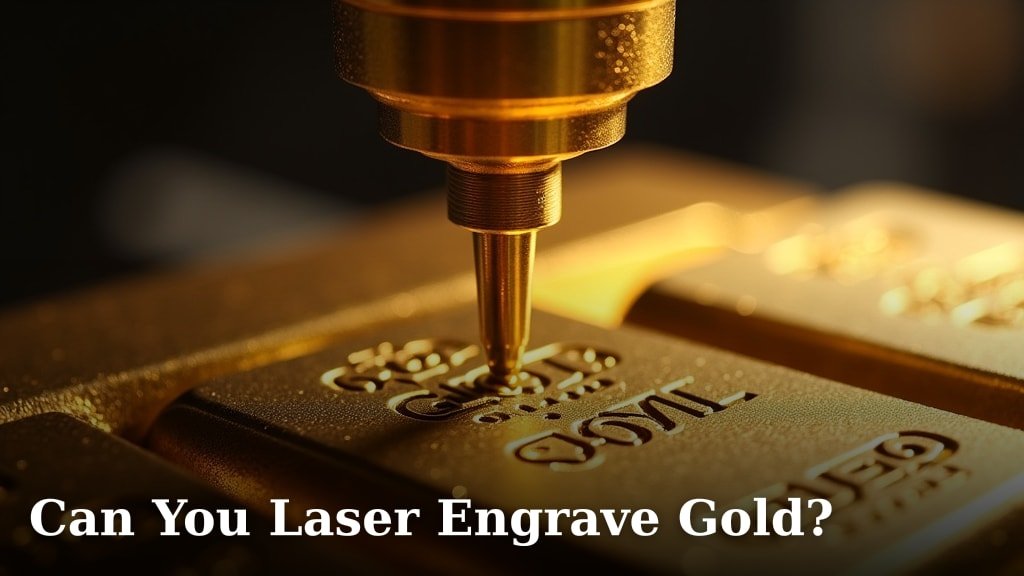
Yes, you absolutely can laser engrave gold. It’s a fantastic way to add personal touches to jewelry, watches, or awards. The process is precise and permanent, making it ideal for intricate designs.
Laser engraving gold offers a clean and detailed mark without damaging the precious metal. We found that this method is often preferred for its speed and accuracy compared to traditional engraving. It’s a modern approach to a classic craft, perfect for creating unique and lasting impressions.
- Laser engraving gold is possible.
- It provides precise and permanent marks.
- It’s ideal for detailed designs on jewelry and more.
- This method is known for speed and accuracy.
- It offers a modern way to personalize gold items.
Let’s dive into how laser engraving works on gold and what you should know to get the best results.
Laser Engraving Gold: What You Need to Know
Yes, you can definitely laser engrave gold! It’s a popular method for adding permanent marks to this precious metal. Many people are curious about how this works. We’ve found that laser engraving is a precise and efficient way to personalize gold items.
The Science Behind Laser Engraving Gold
Laser engraving gold uses a focused beam of light. This beam essentially vaporizes the surface of the metal. The laser removes tiny amounts of gold to create your design. It’s a non-contact process, which is great for delicate items. Many experts agree this method offers superior detail compared to traditional techniques.
How Does the Laser Affect the Gold?
The laser beam’s energy heats the gold’s surface. This heat causes the gold to turn into a gas. This gas then dissipates, leaving behind a permanent impression. The depth of the engraving depends on the laser’s power and speed. We found that controlling these settings is key to achieving the desired effect.
Fiber Lasers: The Gold Standard
For engraving metals like gold, fiber lasers are usually the best choice. These lasers produce a very fine beam. This allows for incredibly detailed and sharp marks. Many professionals prefer fiber lasers for their consistency and power. They are highly effective at marking metals without causing excessive heat buildup.
What Kind of Marks Can You Expect?
Laser engraving on gold typically creates a frosted or white-colored mark. This is because the laser heats the surface and changes its texture. Sometimes, depending on the laser and settings, you might see a slight darkening. The final look is clean and highly legible. We found that the contrast is usually very good.
Factors Affecting Laser Engraving on Gold
Several factors influence the outcome of laser engraving on gold. Understanding these can help you achieve the best results for your project. It’s not just about pointing a laser at gold; there’s a bit more to it!
Gold Purity Matters
The purity of the gold plays a role. Pure gold (24 karat) is very soft. This makes it easier to engrave. However, it can also be more prone to deformation if the laser is too powerful. Gold alloys, like 14k or 18k, are harder because they contain other metals. These can affect how the laser interacts with the surface. Many sources suggest that higher karat gold engraves slightly differently than lower karat gold.
Laser Settings are Crucial
Laser power, speed, and frequency are the main settings. Power determines how much energy the laser delivers. Speed dictates how fast the laser head moves. Frequency affects the pulse rate of the laser. Adjusting these settings allows you to control the depth and appearance of the engraving. We found that experimentation is often necessary to find the perfect combination for your specific gold item.
Power: The Energy Input
Higher power settings can engrave deeper or faster. However, too much power can overheat the gold. This might lead to melting or undesirable discoloration. It’s like turning up the heat too high when cooking; you risk burning your food. You want a controlled burn, or in this case, a controlled vaporization.
Speed: The Pace of Engraving
A slower speed allows the laser more time to interact with the gold. This can result in a deeper mark. A faster speed is good for marking many items quickly. It can create a shallower mark. Balancing speed with power is essential. Many guides suggest starting with moderate settings and adjusting from there.
Frequency: The Pulse Rate
Frequency refers to how many laser pulses happen per second. A higher frequency can create a smoother mark. A lower frequency might produce a slightly rougher texture. Think of it like the difference between a smooth, continuous stream of water and individual drops. Each has its place.
The Type of Gold Surface
The finish of the gold surface also affects the engraving. A highly polished surface might reflect more laser light initially. This could require slightly different settings than a brushed or matte finish. We’ve seen that textured surfaces can sometimes absorb the laser energy more readily.

Common Applications for Laser Engraved Gold
Laser engraving opens up a world of possibilities for personalizing gold. Its precision makes it ideal for a wide range of items.
Jewelry Personalization
This is perhaps the most popular use. You can engrave names, dates, or special messages on rings, pendants, bracelets, and earrings. It’s a beautiful way to create a cherished keepsake. Imagine a wedding band with your anniversary date or a locket with a loved one’s initials.
Luxury Watches
High-end watches often feature custom engravings. Laser engraving can add a personal touch to the case back or bracelet. This elevates the watch from a timepiece to a unique, personal possession. Many collectors seek out watches with custom engravings.
Awards and Trophies
Gold-plated awards or trophies can be enhanced with laser engraving. Detailed logos, names of recipients, and event details can be added. This provides a professional and permanent finish. It’s a much cleaner look than traditional methods often provide.
Industrial Marking
Beyond decorative uses, laser engraving is used for industrial purposes. It can mark serial numbers, part identification, or compliance information on gold components. This marking needs to be durable and precise. Many industries rely on laser marking for traceability.
Is Laser Engraving Gold Safe for the Item?
Generally, yes, laser engraving gold is considered safe when done correctly. The process is non-contact. This means there’s no physical force applied to the gold. The laser is focused very precisely. This minimizes the heat affected zone.
Potential Risks and How to Avoid Them
The main risk is excessive heat. If the laser is too powerful or moves too slowly, it can damage the gold. This might cause discoloration or warping. Another risk is engraving too deep, which could weaken the item. Choosing a qualified professional or using the right equipment is important. Many sources recommend testing settings on a scrap piece first.
Here’s a quick checklist to keep in mind:
- Use a fiber laser for best results on gold.
- Ensure the gold purity is known for setting adjustments.
- Experiment with laser power, speed, and frequency.
- Consider the surface finish of the gold.
- Protect against excessive heat and over-engraving.
- Always test on a scrap piece if possible.
Conclusion
You’ve learned that laser engraving gold is absolutely possible and a fantastic way to personalize your precious items. The process is precise, permanent, and surprisingly versatile, suitable for everything from fine jewelry to awards. While fiber lasers are ideal, understanding factors like gold purity and correct laser settings is key to achieving perfect results. Don’t be afraid to experiment responsibly with settings on scrap pieces. Ready to transform your gold items? Your next step is to find a reputable laser engraving service or a trusted professional to bring your design ideas to life!
Frequently Asked Questions
What kind of laser is best for engraving gold?
For engraving gold, a fiber laser is generally recommended. These lasers provide a very fine beam, which is perfect for achieving detailed and sharp marks on metals. They are efficient and consistent, making them the preferred choice for professionals working with gold.
Will laser engraving damage my gold jewelry?
When performed correctly with the right settings, laser engraving should not damage your gold jewelry. The process is non-contact, and a focused beam minimizes the heat-affected area. However, using excessive power or incorrect settings could potentially cause discoloration or warping.
What does a laser-engraved mark on gold look like?
Typically, a laser engraving on gold results in a frosted or white-colored mark. This is due to the way the laser alters the surface texture of the metal. Depending on the specific laser and settings used, you might occasionally see a subtle darkening, but the marks are usually very clear and legible.
How does the purity of gold affect laser engraving?
The purity of gold does influence the engraving process. Pure gold (24k) is softer and engraves more easily but can be more susceptible to deformation from a powerful laser. Gold alloys, like 14k or 18k, are harder due to the presence of other metals, which can alter how the laser interacts with the surface.
Can I laser engrave plated gold items?
Yes, you can laser engrave gold-plated items, but you must be cautious. The laser needs to be set correctly to engrave the plating without going too deep and affecting the base metal underneath. It’s often best to test settings on a similar plated item first.
