
Yes, you absolutely can laser cut denim! It’s a fantastic way to create unique designs on jeans, jackets, and other denim items. With the right settings, laser cutting offers precise detail and a quick way to customize your favorite fabrics.
Many crafters and designers are discovering the potential of laser cutting for textiles. You can achieve effects like fading, engraving patterns, or even cutting intricate shapes right out of the denim. This technique opens up a whole new world for personalizing your wardrobe and creating custom denim products with a professional finish.
- Laser cutting denim is possible.
- It allows for detailed designs and customization.
- You can engrave, fade, or cut patterns.
- Achieve professional-looking results at home.
Ready to see how you can transform your denim? Let’s dive into what you need to know about laser cutting this popular fabric.
Laser Cutting Denim: What You Need to Know
Laser cutting denim is a wonderful way to add personality to your clothing. It’s not as complicated as you might think. You can achieve amazing effects with the right approach. Think of it like a high-tech stencil or an artist’s etching tool, but for fabric!
Understanding the Laser Cutting Process for Denim
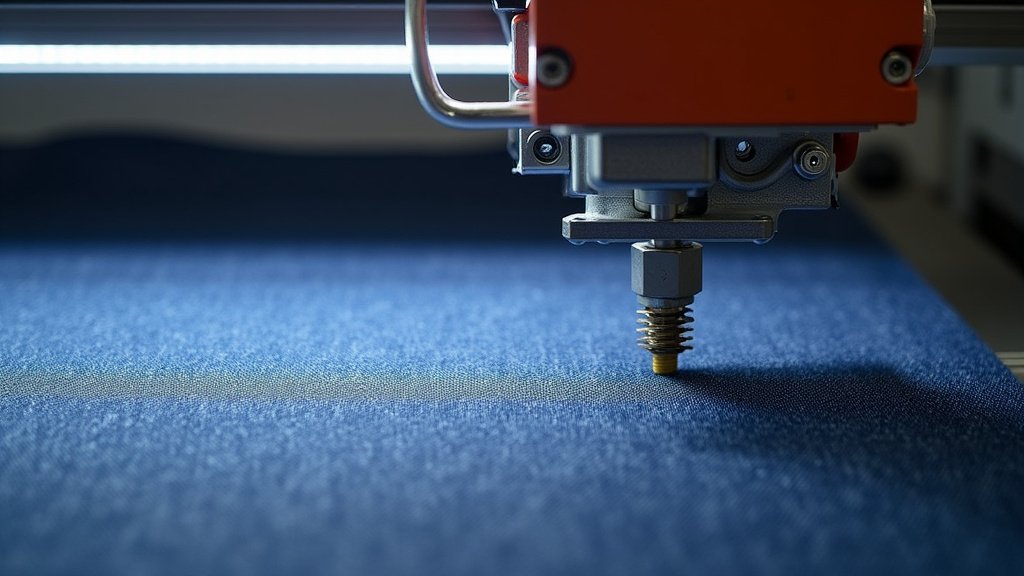
Laser cutting uses a focused beam of light. This beam precisely vaporizes or melts the material it touches. For denim, this means you can engrave patterns, create distressed looks, or even cut through the fabric. It’s a non-contact method, which is great for delicate materials.
When the laser hits the denim, it heats it up. Depending on the power and speed, this heat can cause different reactions. A lower power setting might just bleach the color. Higher power can cut all the way through. It’s all about controlling that energy beam.
What Can You Achieve with Laser Cut Denim?
The possibilities are quite exciting. You can create custom patches, add decorative elements to pockets, or distress jeans for a unique look. Imagine your favorite band logo etched onto your jacket. Or maybe a delicate floral pattern on the back of your jeans. Laser cutting makes these ideas achievable.
- Engraving: This is like drawing on the denim with light. It removes a thin layer of the fabric’s surface, often changing the color to a lighter shade. It’s perfect for detailed images or text.
- Fading/Bleaching: Using lower power settings, you can simulate a faded or bleached look. This is a quick way to achieve a worn-in appearance without harsh chemicals.
- Cutting: With enough power, you can cut entirely through the denim. This allows for creating shapes, lace-like effects, or even removing sections for a distressed hem.
Choosing the Right Laser Cutter for Denim
Not all laser cutters are created equal. For working with textiles like denim, you’ll generally want a laser cutter with good ventilation. Denim can produce smoke and fumes when cut. A CO2 laser cutter is typically recommended for fabrics.
The power of the laser is also important. For cutting through denim, you’ll need a more powerful machine, often 40 watts or higher. For engraving or fading, a lower wattage might suffice. Always check your machine’s capabilities and the manufacturer’s recommendations for fabric use.
Ventilation is Key!
We can’t stress this enough: proper ventilation is crucial. When denim is lasered, it releases smoke and particulate matter. This smoke can be harmful if inhaled. It can also create an oily residue on your laser cutter’s optics. So, always ensure your laser cutter is connected to an effective exhaust system. Many experts suggest a minimum airflow of 300 CFM (cubic feet per minute) for laser engraving and cutting textiles (Trotec Laser).
Preparing Your Denim for Laser Cutting
Before you hit that ‘start’ button, a little preparation goes a long way. It ensures you get the best results and protects your machine. Think of it as prepping your canvas before painting.
Pre-washing is recommended. Sometimes, new denim has sizing or finishes that can affect how the laser interacts with it. Washing the denim first can give you more consistent results. Make sure it’s completely dry before placing it in the laser cutter.
Secure Your Fabric
Denim can shift during the laser cutting process. This can ruin your design. It’s vital to keep it flat and secure on your laser bed. You can use weights, clamps, or even a special honeycomb bed. A flat surface prevents the laser beam from being at an incorrect angle.
Test, Test, Test!
This is perhaps the most important step. Denim is a natural fabric, but its weave, thickness, and dye can vary. What works for one pair of jeans might not work for another. Always start with a small test piece of the same denim. Engrave or cut a small pattern in a corner.
We found that testing different power, speed, and frequency settings is essential. A common starting point for engraving might be around 20-30% power, 100% speed, and 300-400 DPI (dots per inch). For cutting, you’ll need significantly higher power and slower speeds.
Essential Settings and Techniques for Laser Cutting Denim
Getting the settings right is where the magic happens. It’s a delicate balance of power, speed, and focus. Finding the sweet spot can take a few tries, but it’s well worth the effort for that perfect design.
Engraving and Fading Settings
For detailed engraving or creating a faded effect, you’ll want to use settings that remove the surface color without cutting through. This usually involves lower power and faster speeds.
- Power: Start low, maybe 15-25%. You’re aiming to discolor the fabric, not burn through it.
- Speed: A faster speed (e.g., 80-100%) helps prevent too much heat buildup.
- Frequency (PPI – Pulses Per Inch): This can vary, but somewhere between 200-400 PPI often works well for detailed engraving.
- Focus: Ensure your laser is correctly focused. A slightly out-of-focus beam can create a softer, more diffused engraving effect.
Many sources suggest that a Z-axis offset of 1-2mm can help create a softer edge on engravings, giving it a more ‘distressed’ look (Epilog Laser).
Cutting Settings
When you want to cut through denim, you’ll need to crank up the power and slow down the speed. Denim is a dense fabric, so it requires more energy to cut.
- Power: You’ll need higher power, potentially 60-80% or even higher for thicker denim.
- Speed: Slow down considerably, perhaps 5-15% speed. This allows the laser beam enough time to penetrate the fabric.
- Frequency: A lower frequency, like 100-200 PPI, might be better for cutting to ensure a continuous burn.
- Passes: You might need multiple passes. One pass might not cut all the way through. Gradually increase power or slow speed for subsequent passes.
A word of caution: cutting denim can create more smoke and can sometimes leave a slightly scorched edge. Using a high-quality air assist can help minimize this by blowing away debris and cooling the cut zone.
Material Considerations: Type of Denim Matters
Just like any fabric, denim isn’t all the same. The type of denim you use can influence your laser cutting results. Stretchy denim, for instance, might behave differently than rigid, 100% cotton denim.
Weight and Thickness: Thicker denim requires more power and slower speeds. Lighter weight denim will cut more easily. Be sure to adjust your settings accordingly.
Composition: Most denim is cotton, but many jeans now contain elastane or polyester for stretch. Synthetic fibers can melt or produce different fumes when lasered. It’s always a good idea to check the fabric composition and test a scrap first.
Color and Dye: Different dyes can react to the laser in various ways. Darker dyes might absorb more energy, leading to quicker fading or burning. Lighter, undyed denim might engrave to a lighter shade, while dark denim might engrave to a lighter blue or even white.
Safety First: Laser Cutting Denim Responsibly
We’ve touched on ventilation, but safety is an area where you absolutely cannot cut corners. Lasers are powerful tools, and denim, while common, still requires careful handling.
Always supervise the laser. Never leave it unattended while it’s running, especially when working with fabric. Fires can start quickly. Keep a fire extinguisher rated for Class A fires nearby. Class A is for ordinary combustibles like wood, paper, and textiles.
Personal Protective Equipment (PPE)
While your laser should have an enclosed lid, wearing safety glasses designed for laser operation is a smart precaution. These glasses protect your eyes from stray reflections. Also, consider wearing a respirator mask if ventilation is not ideal, to protect yourself from fumes.
Material Safety Data Sheet (MSDS) for Fumes
If your laser cutter manufacturer provides an MSDS for the materials you intend to cut, review it. This document details potential hazards and recommended safety precautions. For textiles, it will often highlight the importance of ventilation due to the release of combustion byproducts.
Research shows that the fumes produced from laser cutting synthetic blends in textiles can be more hazardous than pure cotton (US Fire Administration).
Here’s a quick checklist to ensure you’re set up for safe and successful laser cutting:
- Ensure your laser cutter has excellent ventilation.
- Use a fire extinguisher rated for Class A fires.
- Wear appropriate safety glasses.
- Always supervise the laser during operation.
- Test your settings on scraps before committing to your project.
- Know your denim’s composition (cotton vs. blends).
Conclusion
Laser cutting denim opens up a fantastic world of creative possibilities for your wardrobe. You’ve learned that with the right laser cutter, preparation, and settings, you can achieve detailed engravings, stylish fading, and even precise cuts. Remember, safety always comes first, so prioritize proper ventilation and always supervise your machine. Now that you have the knowledge, it’s time to grab some denim scraps and start experimenting! Your next unique denim creation is just a laser beam away.
Frequently Asked Questions
What kind of laser cutter is best for denim?
For denim, a CO2 laser cutter is generally recommended. These machines are well-suited for engraving and cutting textiles. Make sure your laser cutter has sufficient power, usually 40 watts or higher, especially if you plan to cut through the fabric.
Can I laser cut dark wash denim?
Yes, you can laser cut dark wash denim, but be aware that the dye can affect the results. Darker dyes often absorb more laser energy. This can lead to faster fading or a more pronounced engraved effect. Always test your settings on a scrap piece first.
How do I prevent denim from scorching when laser cutting?
Scorching can happen if the laser stays in one spot for too long or if the power is too high for the speed. Using a strong air assist directly on the cutting or engraving area helps blow away debris and cool the fabric. Slower speeds combined with higher power are often needed for cutting, so a good air assist is key.
What safety precautions are most important for laser cutting denim?
The most important safety measures are excellent ventilation to remove fumes and always supervising the laser. Keep a fire extinguisher nearby, as fabrics can catch fire. Wearing safety glasses designed for laser use is also a smart precaution against stray reflections.
Will laser cutting affect the feel of the denim?
Engraving or fading typically only affects the very surface of the denim, so the overall feel should remain largely the same. When cutting, the edges will be cleanly cut. If you’re creating intricate cut-out designs, the removed areas will obviously alter the fabric’s structure there.
