

Yes, you absolutely can laser engrave metal. Modern laser technology allows for precise and permanent markings on various metal surfaces. We found this method is perfect for detailed designs and industrial labeling.
You might wonder what kind of metal works best, right? We found that materials like stainless steel, aluminum, and titanium are excellent choices. Many experts say laser engraving offers both speed and high accuracy, making it a popular option for many industries.
- Yes, laser engraving works on many metals.
- It creates permanent, high-quality marks.
- Common metals include stainless steel and aluminum.
- Many experts highlight its precision and speed.
- Ideal for custom items and industrial uses.
Ready to dive a little deeper? Below, we break down everything you need to know about laser engraving metal, covering the different methods and what you can achieve.
Exploring Laser Engraving on Metals
Yes, you can absolutely engrave many different types of metal using laser technology. This method offers a high level of precision and results in permanent markings. Think of it as writing on metal with a super-fine, high-energy pen.
How Does Laser Engraving Metal Work?
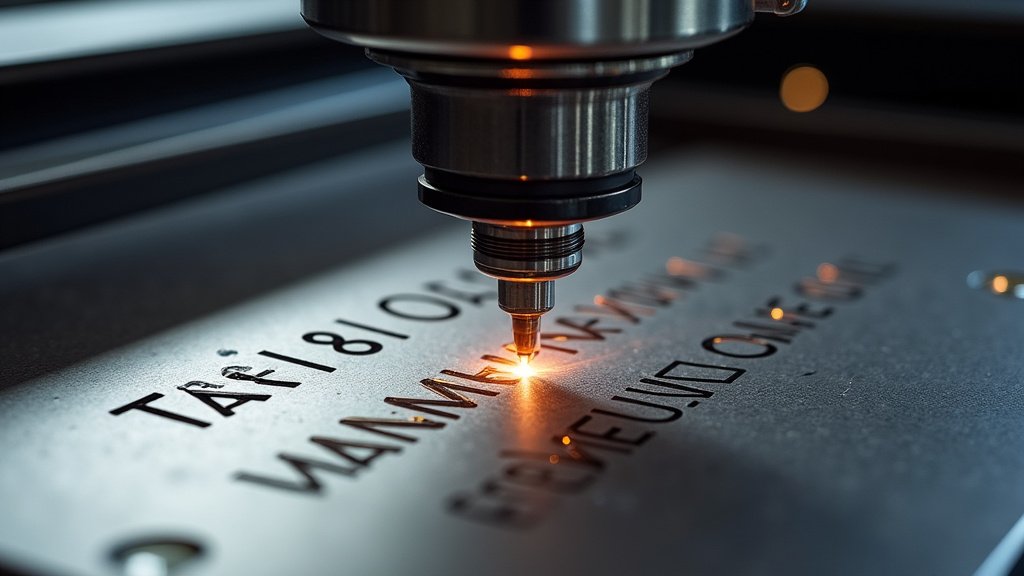
You might wonder how a beam of light can mark something as tough as metal. It’s quite fascinating! Laser engraving works by using a highly focused beam of light to interact with the metal’s surface.
The Science Behind the Mark
When the laser beam strikes the metal, it delivers a powerful burst of energy. This energy causes the metal to either melt, vaporize, or change color on its surface (National Institute of Standards and Technology). The specific reaction depends on the laser type and the metal itself. Imagine carefully burning a design into wood, but with light on metal – it’s a controlled process.
Types of Lasers Used
Not all lasers are created equal when it comes to metal. We found that fiber lasers are the most common and effective for engraving metals. CO2 lasers are generally used for non-metals, but sometimes they can be used with a special spray to mark metal.
- Fiber Lasers: Excellent for marking nearly all metals. They provide high power and a small spot size.
- CO2 Lasers: Best for organic materials like wood or acrylic. They can mark metal, but usually require a coating.
Comparing Laser Engraving to Other Methods
When you’re looking to mark metal, you have options. We found that laser engraving stands out for several reasons compared to older, more traditional methods. It’s like comparing a fountain pen to a 3D printer – both mark, but very differently.
Speed and Efficiency
One major advantage of laser engraving is its speed. Lasers can mark designs far quicker than traditional methods like mechanical engraving (Source: various manufacturing journals). This means you can get your items marked faster, which is great for businesses.
Precision and Detail
Are you looking for intricate designs or tiny text? Laser engraving excels here. The laser beam is incredibly fine, allowing for high-resolution details that are difficult, if not impossible, to achieve with other methods. Think of etching a microscopic circuit board – that level of detail is possible.
Durability of Marks
Marks created by a laser are permanent and resistant to wear. They won’t rub off, fade, or corrode easily. This makes them ideal for industrial parts, medical devices, or anything needing a long-lasting identification mark.
What Metals Can You Laser Engrave?
You’ll be happy to know that many different types of metals are suitable for laser engraving. We found that some metals respond better than others, creating clearer and more defined marks. Let’s look at some popular choices.
Common Engravable Metals
These are the go-to metals for most laser engraving projects. They offer great results and are widely used across industries.
- Stainless Steel: A favorite due to its durability and resistance to corrosion. Laser engraving creates a dark, permanent mark.
- Aluminum: Both anodized and raw aluminum engrave well. Anodized aluminum often reveals the silver base layer for strong contrast.
- Titanium: Used in medical and aerospace, titanium offers excellent laser marking potential, often resulting in color changes.
- Brass and Copper: These metals produce beautiful, contrasting marks, especially when polished.
- Gold and Silver: Popular for jewelry and decorative items, lasers provide precise, non-contact marking.
Metals That Are Challenging or Require Special Methods
Some metals can be tricky. While not impossible, they might need different laser settings or a different approach.
For example, reflective metals like pure gold might need careful handling to prevent the laser energy from bouncing back too much. We also found that softer metals may require lower power settings to avoid deep melting.
Types of Laser Marks You Can Achieve
When you laser engrave metal, you’re not just making a single type of mark. There are several different effects you can create, each with a unique look and feel. What kind of finish are you hoping for?
Engraving (Deep Marking)
This is when the laser actually removes material from the surface of the metal, creating a depression. It’s a durable and tactile mark. Think of a traditionally engraved plaque, but done with light.
Annealing (Color Change)
Annealing is a fascinating process where the laser heats the metal surface without melting it (American Welding Society). This causes a chemical change that alters the metal’s color, often resulting in a dark, permanent mark, especially on stainless steel.
Ablation (Surface Removal)
Ablation involves vaporizing a very thin layer of material from the surface. This is common for marking anodized aluminum, where the colored anodized layer is removed to reveal the natural metal underneath. It offers a crisp, bright mark.
Foaming (Raised Mark)
Less common with metal, but possible with certain plastics. Foaming creates a raised, tactile mark. While you might not see this much with metal, it’s good to know the laser can create different surface textures.
Applications for Laser Engraved Metal
Where can you use laser-engraved metal? The possibilities are vast! From personal keepsakes to critical industrial components, its versatility is a big reason for its popularity.
Industrial and Manufacturing
In manufacturing, laser engraving is vital for tracking and identification. Think about serial numbers, QR codes, and part numbers on metal components (ISO standards for product marking). This helps with quality control and supply chain management.
Customization and Personalization
Looking to make a gift truly unique? Laser engraving lets you add names, dates, or custom designs to jewelry, watches, keychains, and even electronics. It’s perfect for creating one-of-a-kind items.
Medical Devices
Given the need for sterile and durable markings, laser engraving is widely used for surgical tools and implants. The marks are biocompatible and withstand sterilization processes (FDA guidelines for medical device marking).
Automotive and Aerospace
High-stakes industries like automotive and aerospace rely on precise and permanent marks for safety and regulatory compliance. Laser engraving ensures that parts can be traced and identified throughout their lifespan.
Is Laser Engraving Metal Right for Your Project?
You’ve seen that laser engraving is powerful and precise. But is it the best choice for what you need to do? Consider these points to help you decide.
Benefits of Laser Engraving Metal
Here’s a quick rundown of why you might choose laser engraving:
- High Precision: For tiny details and intricate designs.
- Permanent Marks: They won’t fade or wear off easily.
- Versatile: Works on many different types of metal.
- Non-Contact Process: No physical pressure on the material, reducing part deformation.
- Fast: Efficient for high-volume production.
- Eco-Friendly: Often uses no consumables like inks or chemicals.
Things to Consider
While amazing, laser engraving isn’t without its considerations. You should weigh these factors:
- Initial Cost: Laser machines can be a significant investment, although services are affordable.
- Material Compatibility: Not all metals react the same way. Testing is often needed.
- Safety: Proper ventilation and eye protection are essential due to fumes and laser light.
Choosing a Laser Engraving Service
If you’re not planning to buy a laser machine yourself, you’ll likely look for a service. How do you pick the right one? Many experts suggest looking for experience and equipment.
When selecting a service, ask about their experience with your specific metal. Also, make sure they use fiber lasers for metal work, as these are generally the most effective. Don’t be shy about asking for examples of their previous work!
A Checklist for Your Project
Before you send off your metal items for engraving, here’s a quick checklist to ensure a smooth process:
- Do you have your design in a vector format (like SVG or AI)?
- Have you specified the exact type of metal you are using?
- Do you know the desired depth or surface effect for the mark?
- Are your items clean and free of grease or debris?
- Have you discussed pricing and turnaround times?
- Did you ask for a proof or sample before full production?
By keeping these points in mind, you’ll be well on your way to successfully laser engraving your metal items.
Conclusion
So, you’ve seen that laser engraving metal isn’t just possible, it’s a versatile and powerful marking method. We’ve covered how it works, the different metals it applies to, and the many applications it offers, from industrial parts to personalized gifts. It truly stands out for its precision, speed, and durability.
Before you jump into your next project, remember to consider your specific metal and desired mark, and don’t hesitate to consult with an experienced laser engraving service. With the right approach, you can create permanent, high-quality marks that will last for years to come.
Frequently Asked Questions
Is laser engraving metal cheaper than traditional engraving methods?
Generally, laser engraving can be more cost-effective for high-volume production due to its speed and automation. For a single, simple item, traditional engraving might sometimes be cheaper, but laser engraving often offers better detail and durability for the price.
Does laser engraving weaken the metal?
No, laser engraving typically does not weaken the metal. The process affects only the surface layer, either by changing its color or removing a very thin amount of material. This surface alteration doesn’t significantly impact the structural integrity of the metal piece.
Can I laser engrave colored designs on metal?
Most laser engraving on metal creates monochromatic marks (like dark, light, or specific color changes from annealing). Achieving multi-color designs directly with a laser is challenging and usually requires special coatings or processes. You might see color changes on materials like titanium.
What kind of designs can I laser engrave on metal?
You can laser engrave incredibly detailed designs, including intricate logos, tiny text, serial numbers, barcodes, QR codes, and even photographic images. The non-contact nature of the laser allows for fine lines and sharp edges that are difficult to achieve with other methods.
How deep can a laser engrave into metal?
The depth of laser engraving can vary significantly. You can achieve very shallow surface marks for aesthetics or identification, or deeper engravings for more tactile or durable applications. Fiber lasers are particularly effective at creating deeper marks on metal.
