
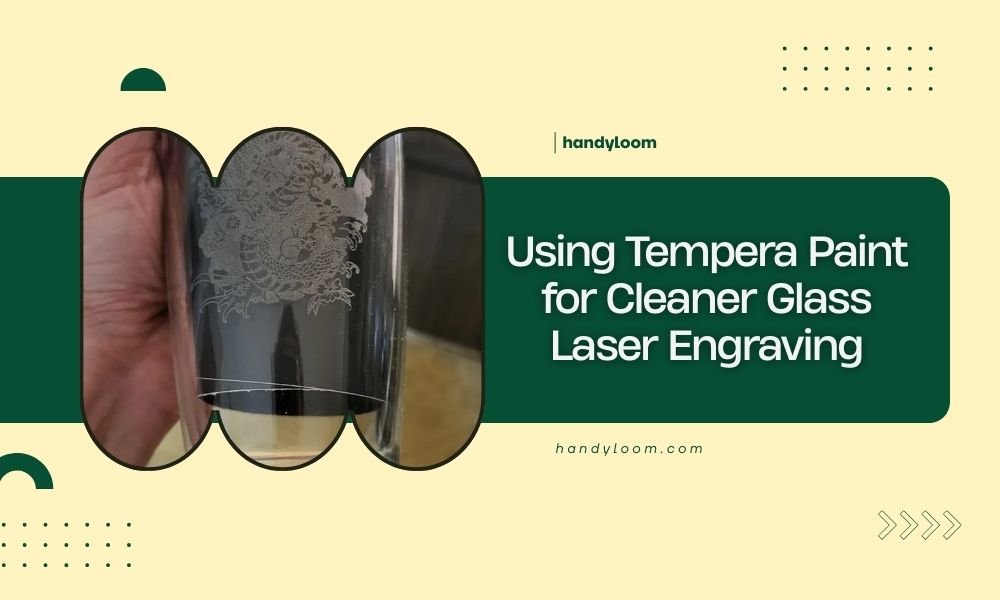
Tempera paint creates a protective coating on glass that helps laser engravers achieve cleaner, more precise engravings with less heat damage and chipping.
When you apply tempera paint before laser engraving glass, it acts as a heat-absorbing layer that prevents thermal shock and reduces the risk of cracking during the process.
Why Glass Laser Engraving Needs Extra Help
Glass can be tricky to engrave with lasers. The material heats up fast and cools down just as quickly. This rapid temperature change often leads to cracks, chips, and uneven cuts.
Without protection, your laser beam hits the glass directly. The intense heat creates stress points that spread through the material. You end up with messy edges and broken pieces instead of clean engravings.
Common Problems Without Paint Protection
Heat stress is your biggest enemy. Glass expands when hot and contracts when cool. This constant movement creates tiny fractures that ruin your project.
Chipping happens at the edges where the laser enters and exits. The glass can’t handle the sudden temperature spike and breaks away in small pieces.
Why Regular Methods Fall Short
Many people try engraving glass without any coating. The results are usually disappointing. You get rough edges, uneven depths, and lots of wasted material.
Some crafters use masking tape, but it doesn’t provide enough heat protection. The adhesive can also leave residue that’s hard to clean off.
How Tempera Paint Solves These Issues
Tempera paint acts like a heat shield for your glass. When the laser hits the paint, it absorbs much of the thermal energy before it reaches the glass surface.
This absorption gives the glass time to heat up more gradually. The slower temperature change reduces stress and prevents those frustrating cracks.
The Science Behind Paint Protection
Paint particles absorb laser energy and convert it to heat more slowly than glass does. This creates a buffer zone that protects the glass underneath.
The paint also provides visual contrast. Your laser can detect exactly where to cut, leading to more accurate engravings every time.
Heat Distribution Benefits
Instead of focusing all the heat in one tiny spot, the paint spreads it out slightly. This wider heat distribution prevents the sharp temperature spikes that cause cracking.
Research from glass manufacturing studies shows that gradual heating reduces thermal stress by up to 70% compared to direct heating methods.
Choosing the Right Tempera Paint
Not all tempera paints work equally well for laser engraving. You want paint that’s thick enough to provide protection but thin enough to wash off easily afterward.
Water-based tempera paints are your best choice. They clean up with simple soap and water, and they don’t leave chemical residues on your glass.
Paint Consistency Matters
Look for paint with medium thickness. Too thin, and it won’t provide enough protection. Too thick, and it might interfere with your laser’s accuracy.
The paint should flow smoothly but not drip when applied vertically. Think of the consistency of heavy cream – that’s about right.
Color Selection Tips
Darker colors absorb laser energy better than light colors. Black, dark blue, or dark green work well for most laser types.
Avoid metallic paints or those with glitter. These additives can reflect laser light unpredictably and create uneven results.
Step-by-Step Application Process
Clean your glass thoroughly before applying paint. Any dirt, oils, or fingerprints can prevent the paint from sticking evenly.
Use a foam brush or small paint roller for the smoothest application. Brushes can leave streak marks that show up in your final engraving.
Preparation Steps
Wipe the glass with rubbing alcohol and let it dry completely. This removes any cleaning product residue that might interfere with paint adhesion.
Mask off any areas you don’t want to engrave. Regular painter’s tape works fine for this step.
Applying the Paint Layer
Start with thin coats and build up coverage gradually. One thick coat is more likely to drip or create uneven spots.
Work in one direction first, then cross back in the opposite direction. This creates an even layer without brush marks.
Drying Time Guidelines
Let the paint dry completely before laser engraving. Wet paint can bubble or smoke when hit by the laser beam.
Most tempera paints dry within 15-30 minutes at room temperature. Higher humidity extends drying time, so plan accordingly.
Testing Paint Thickness
The paint should be opaque but not thick. You shouldn’t see the glass through it, but it shouldn’t feel gummy to the touch either.
If you can scratch through to the glass easily with your fingernail, you need another thin coat.
Laser Settings for Painted Glass
Start with lower power settings than you’d use for unpainted glass. The paint changes how the laser energy gets absorbed.
Slower speeds often work better too. This gives the paint time to absorb heat gradually and transfer it to the glass more evenly.
Power Adjustment Guidelines
Begin with about 70% of your normal glass engraving power. Run a small test section to see how the paint responds.
If the paint burns away too quickly, reduce power by another 10-15%. If it doesn’t cut through, increase power gradually in small steps.
Speed Considerations
Slower cutting speeds give better results with painted glass. Try starting at 50-60% of your usual speed for unpainted glass.
The paint needs time to heat up and transfer that heat to the glass underneath. Rushing this process leads to incomplete cuts.
| Glass Type | Power Setting | Speed Setting | Expected Result |
|---|---|---|---|
| Thin window glass | 60-70% | 40-50% | Clean surface etch |
| Thick plate glass | 75-85% | 30-40% | Deep engraving |
| Tempered glass | 50-60% | 60-70% | Light surface marking |
Cleaning Up After Engraving
Remove the paint while it’s still slightly warm from the laser process. Warm paint comes off easier than completely cooled paint.
Start with plain water and a soft cloth. Most tempera paint dissolves quickly without scrubbing.
Stubborn Paint Removal
For paint that won’t come off with water alone, add a drop of dish soap. The soap helps break down any paint that got baked on during engraving.
Avoid harsh chemicals or abrasive cleaners. These can damage your fresh engraving or leave residues on the glass surface.
Final Polishing Tips
After removing all the paint, clean the glass one more time with glass cleaner or rubbing alcohol. This removes any soap residue and brings out the clarity of your engraving.
A lint-free cloth works best for final polishing. Paper towels can leave tiny fibers in the engraved areas.
Troubleshooting Common Issues
Paint bubbling during engraving usually means your laser power is too high or the paint wasn’t completely dry. Lower the power and make sure future paint layers dry fully.
Uneven engraving depths often come from uneven paint application. Take more care with your initial paint coating to avoid this problem.
When Paint Won’t Stick
Glass that’s too clean can actually repel water-based paint. If paint beads up instead of spreading, lightly scuff the surface with fine steel wool first.
Cold glass can also cause adhesion problems. Let glass warm to room temperature before painting.
Fixing Incomplete Cuts
If your engraving doesn’t go deep enough, don’t add more paint and try again. Instead, carefully clean the area and make another pass with slightly higher power settings.
Multiple light passes often work better than one heavy pass when you need deeper engravings.
Conclusion
Using tempera paint for glass laser engraving transforms a challenging process into a manageable one. The paint protects your glass from thermal shock while helping you achieve cleaner, more precise engravings. Start with thin, even coats of dark-colored tempera paint, adjust your laser settings for the added coating, and clean up with simple soap and water. This technique reduces waste, prevents cracking, and gives you professional-looking results every time. With practice, you’ll find this method becomes second nature for all your glass engraving projects.
Can I use acrylic paint instead of tempera paint?
Acrylic paint can work, but it’s harder to remove after engraving. Tempera paint dissolves easily in water, while acrylic becomes permanent once dry. Stick with tempera for easier cleanup and better results.
How thick should the paint layer be?
The paint should be opaque but not thick enough to feel gummy. You want complete coverage that you can’t see through, but thin enough that it won’t interfere with laser accuracy. About the thickness of two coats of wall paint works well.
What happens if I don’t let the paint dry completely?
Wet paint will bubble, smoke, and create uneven engravings when hit by the laser. It can also clog your laser’s ventilation system. Always wait for complete drying – usually 15-30 minutes depending on humidity.
Can this technique work on curved glass surfaces?
Yes, but application becomes more challenging. Use a foam brush and work in small sections to avoid drips. The paint may pool in curves, so check for even coverage before the paint dries.
Why do my engravings still crack sometimes even with paint?
Cracking can still occur if your laser power is too high or if the glass has internal stress points. Try reducing power by 10-15% and avoid engraving near existing scratches or chips in the glass.
