
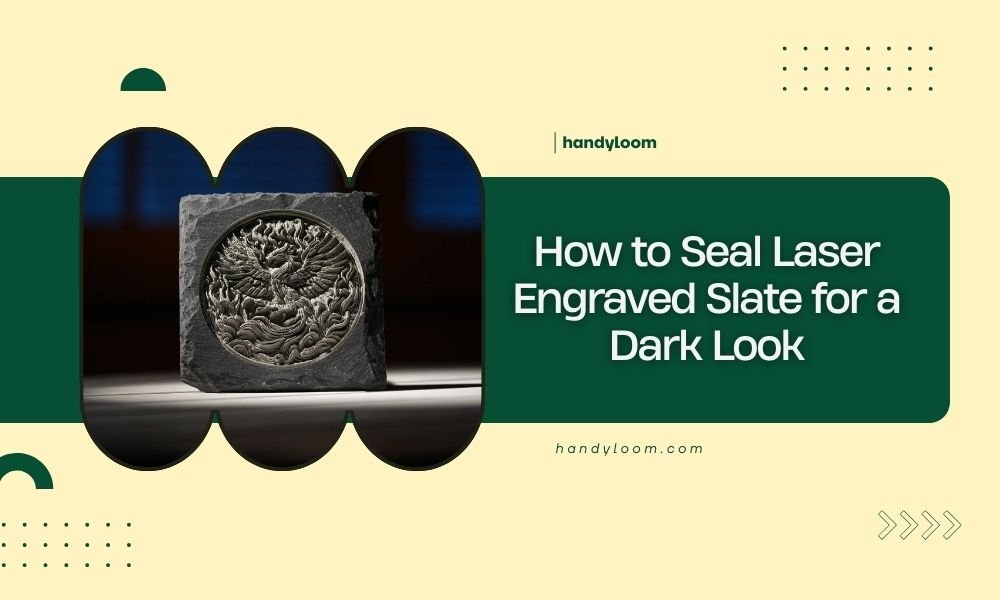
To seal laser engraved slate for a dark look, apply multiple thin coats of polyurethane or acrylic sealer, allowing each layer to dry completely before adding the next.
The key is using a matte or satin finish sealer that won’t create unwanted shine while protecting your engraved design from moisture and wear.
Why Sealing Your Laser Engraved Slate Matters
Your beautiful laser engraved slate deserves protection. Without proper sealing, moisture seeps into the porous stone surface. This leads to fading, cracking, and damage over time.
Sealed slate looks richer and darker. The colors pop more. Your engraved text stays sharp and readable for years.
What Happens to Unsealed Slate
Unsealed slate absorbs water like a sponge. Freeze-thaw cycles cause cracks. Dirt gets trapped in the pores. Your once-pristine engraving starts looking dull and grimy.
I found that unsealed outdoor slate pieces often develop white chalky deposits. This happens when minerals leach to the surface during wet-dry cycles.
Best Sealers for Dark Slate Appearance
Not all sealers are created equal. Some make slate look glossy and artificial. Others maintain that natural stone appearance you want.
Top Sealer Types for Dark Finish
- Penetrating sealers: Soak deep into stone pores without changing surface texture
- Matte polyurethane: Creates a protective film while keeping the natural look
- Acrylic stone sealers: Easy to apply and maintain good color depth
- Siloxane-based sealers: Excellent water resistance with invisible protection
Avoid These Sealer Mistakes
Skip the high-gloss finishes. They make slate look plastic and cheap. Water-based sealers sometimes lighten dark slate colors.
Oil-based products typically preserve the rich, dark tones better. From what I read, many stone professionals prefer solvent-based penetrating sealers for outdoor applications.
Step-by-Step Sealing Process
Getting professional results takes patience. Rush the process and you’ll see streaks, bubbles, or uneven coverage.
Materials You’ll Need
- Fine-grit sandpaper (400-600 grit)
- Clean microfiber cloths
- Natural bristle brush or foam applicator
- Your chosen sealer
- Mineral spirits or denatured alcohol
- Drop cloths or newspaper
Surface Preparation Steps
Clean slate removes dirt and oils that prevent proper sealer adhesion. Start with warm soapy water and a soft brush.
Rinse thoroughly. Let the slate dry completely – this can take 24-48 hours depending on humidity.
Dealing with Stubborn Stains
For tough spots, use a paste of baking soda and water. Let it sit for 15 minutes before scrubbing gently.
Avoid harsh chemicals like bleach or ammonia. These can damage the slate surface or interfere with sealer bonding.
Application Technique
Work in thin, even coats. Think of it like painting your nails – better to do several light layers than one thick coat.
Start at one corner and work systematically across the surface. Overlap your strokes slightly to avoid missed spots.
First Coat Application
Apply sealer with long, smooth strokes following the natural grain of the slate. Don’t let the sealer pool in engraved areas.
Use a foam brush to work sealer into detailed engraved sections. This ensures complete coverage of all surfaces.
Drying Time Between Coats
Most sealers need 4-6 hours between coats. Check the manufacturer’s instructions – some require longer cure times.
Temperature and humidity affect drying. Cool, damp conditions slow the process significantly.
| Sealer Type | Drying Time | Coats Needed | Best For |
|---|---|---|---|
| Penetrating | 2-4 hours | 2-3 | Natural look |
| Acrylic | 1-2 hours | 3-4 | Easy application |
| Polyurethane | 4-6 hours | 2-3 | Durability |
Getting That Perfect Dark Finish
The right technique makes slate look almost black while keeping the natural stone texture. Here’s how the pros do it.
Color Enhancement Tips
Wet slate always looks darker than dry slate. Good sealers mimic this wet appearance permanently.
Apply your first coat when the slate is slightly damp. This helps the sealer penetrate deeper and creates richer color saturation.
Building Color Depth
Each coat darkens the slate slightly. Most pieces need 2-3 coats for optimal color depth.
I found online that professional stone workers often apply a fourth coat to high-traffic areas. This adds extra protection where it’s needed most.
Working with Engraved Areas
Laser engraving creates tiny rough surfaces that absorb more sealer. This can make engraved text appear darker than the surrounding stone.
Use a small artist’s brush to control sealer application in detailed areas. Work slowly to avoid drips and runs.
Troubleshooting Common Issues
Even experienced crafters run into problems. Here’s how to fix the most common sealing mistakes.
Streaky or Uneven Coverage
This usually happens when sealer starts drying before you finish spreading it. Work faster or use a slower-drying product.
Light sanding with 600-grit paper can smooth out minor streaks between coats.
Bubble Formation
Bubbles form when you apply sealer too thick or work it too aggressively. Pop small bubbles with a pin while the sealer is still wet.
For large bubble areas, sand smooth when dry and reapply that section.
White or Cloudy Appearance
This often means moisture got trapped under the sealer. Strip the coating and start over after the slate dries completely.
High humidity during application causes this problem. Wait for better weather conditions.
Maintenance and Touch-ups
Sealed slate lasts longer with proper care. Simple maintenance keeps your pieces looking fresh.
Regular Cleaning
Clean sealed slate with mild soap and water. Avoid abrasive cleaners that can scratch the sealer surface.
For outdoor pieces, rinse off salt, leaves, and debris regularly. These can stain even sealed surfaces over time.
When to Reapply Sealer
Most sealers last 2-3 years outdoors, 5-7 years indoors. Water stops beading up when the sealer wears thin.
Reapply before the sealer fails completely. This prevents moisture damage and makes the job easier.
Safety Considerations
Many sealers contain strong solvents. Work in well-ventilated areas and wear appropriate protection.
Protective Equipment
- Nitrile gloves to protect your skin
- Dust mask when sanding
- Safety glasses to prevent splashing
- Old clothes or coveralls
Read the safety data sheet for your specific sealer. Some require respirators in enclosed spaces.
Conclusion
Sealing laser engraved slate for a dark look takes patience and the right materials. Choose a quality penetrating sealer or matte finish product that won’t change the natural stone texture.
Apply thin, even coats and allow proper drying time between applications. This creates the rich, dark appearance you want while protecting your engraved designs for years to come. With proper technique, your sealed slate will maintain that beautiful dark color and crisp engraved details that make your project truly special.
How long does sealer take to fully cure on slate?
Most sealers cure completely in 24-72 hours, but you can handle the piece gently after 4-6 hours. Full chemical cure depends on temperature, humidity, and sealer type. Avoid heavy use or water exposure during the first 24 hours for best results.
Can I seal slate that’s already been sealed before?
Yes, but you need to prepare the surface properly first. Light sand with 400-grit paper to remove the old sealer’s shine and create good adhesion. Clean thoroughly with mineral spirits before applying new sealer. Some old sealers may require complete stripping.
What temperature is best for applying slate sealer?
Apply sealer between 50-80°F for optimal results. Temperatures below 50°F slow curing and can cause poor adhesion. Hot weather above 85°F makes sealer dry too quickly, leading to brush marks and uneven coverage. Early morning or late afternoon work best in summer.
Will sealing change the texture of my engraved slate?
Penetrating sealers maintain the original texture completely. Film-forming sealers like polyurethane add a slight smoothness but shouldn’t fill in engraved details if applied properly. Use thin coats and work sealer into engraved areas to preserve sharp text and design edges.
How do I fix sealer that dried with brush marks?
Light sanding with 600-grit paper removes minor brush marks between coats. For severe marking, sand down to the stone and restart. Prevent brush marks by using high-quality brushes, working quickly, and maintaining a wet edge while applying sealer.
