
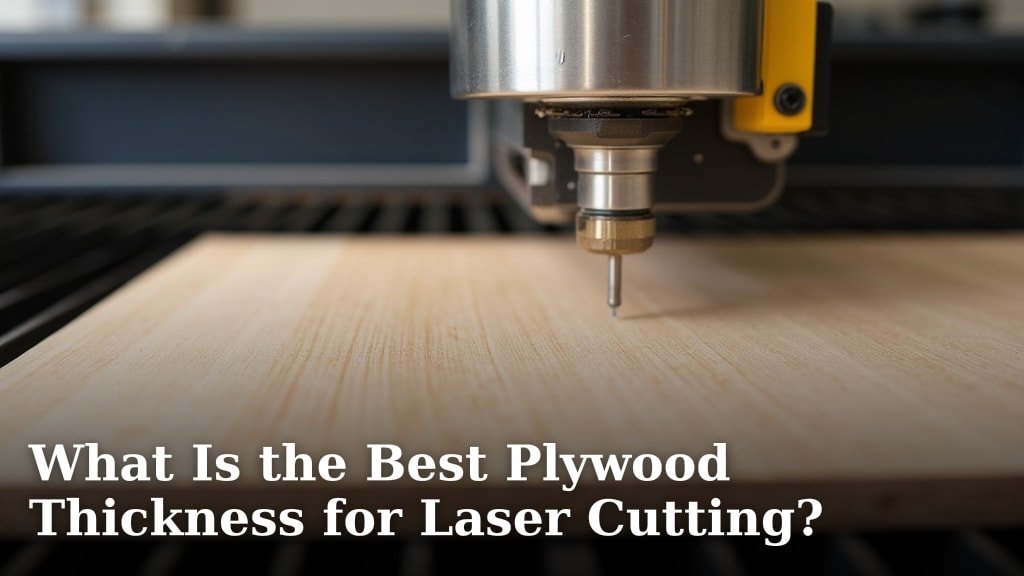
For laser cutting plywood, 1/8-inch (3mm) or 1/4-inch (6mm) thick sheets are generally the best starting points. These thicknesses offer a great balance between ease of cutting and the ability to create sturdy, detailed projects. You can achieve clean edges and intricate designs without excessive burning or damage to the material. Many laser cutting enthusiasts find these to be the sweet spots for most applications.
Choosing the right plywood thickness depends on your laser cutter’s power and the specific project you have in mind. Thicker plywood might require multiple passes or a more powerful laser, while thinner sheets can be quite delicate. We found that understanding your laser’s capabilities and the desired outcome is key to selecting the perfect ply. Consider the project’s intended use and required durability when making your choice.
- 1/8-inch (3mm) is great for delicate, detailed work.
- 1/4-inch (6mm) is a versatile all-rounder.
- Thicker sheets need more laser power and passes.
- Consider project durability and laser machine specs.
Let’s dive into the details of why these thicknesses work so well and what else you should consider when picking your laser-ready plywood.
Selecting the Right Plywood Thickness for Your Laser Cutting Projects
Picking the perfect plywood thickness is key to laser cutting success. It impacts how easily your laser cuts. It also affects the final look and strength of your creations. You’ve seen the common recommendations for 1/8-inch and 1/4-inch. But what makes them so popular? And when might you need something different? Let’s dig into the details so you can make the best choice for your next project.
Understanding Plywood Thickness and Laser Interaction
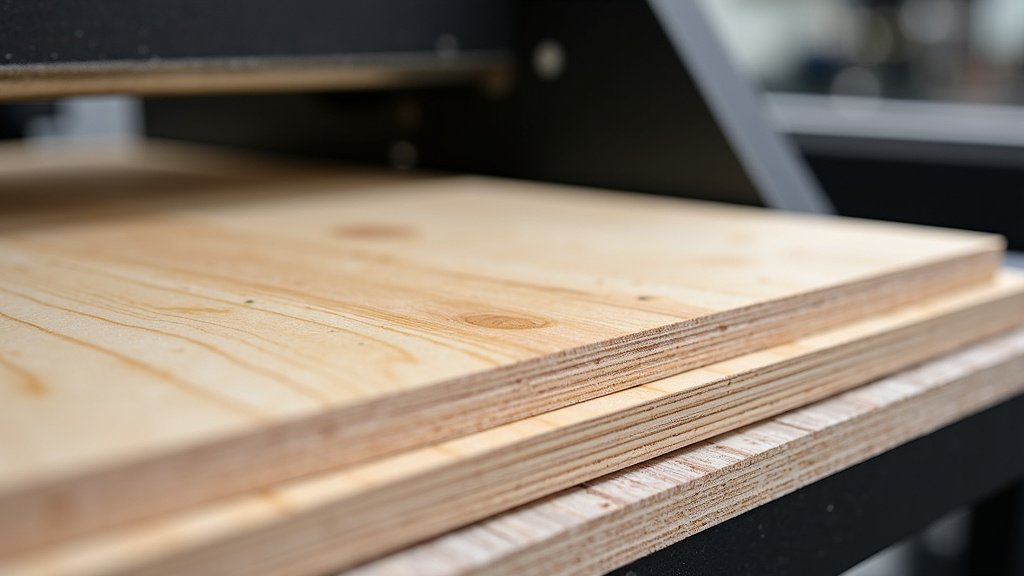
Plywood isn’t just wood. It’s layers of wood veneer glued together. This layered structure gives it strength. But it also means your laser has to work through multiple pieces of wood and glue. The thickness directly relates to how many passes your laser needs. It also affects the heat generated. Thicker sheets mean more wood to burn through. This can lead to more charring. It can also cause flaming. This is why matching thickness to laser power is so important.
The Sweet Spot: 1/8-inch (3mm) Plywood
For many makers, 1/8-inch plywood is a go-to thickness. Why? It cuts relatively easily. Most hobbyist lasers can handle it well. You’ll get nice, clean edges with minimal effort. It’s fantastic for detailed work. Think delicate jewelry, small signs, or intricate model parts. The thinness allows for quick cutting. This means less time at the laser. It also reduces the risk of scorching. You can get amazing detail. The material is light and easy to assemble. It’s perfect for prototypes. It’s also great for items that don’t need to be super robust.
Pros of 1/8-inch Plywood
- Fast Cutting: Your laser breezes through it.
- Fine Detail: Great for small, intricate designs.
- Less Charring: Cleaner edges with less cleanup.
- Lower Laser Power Needed: Accessible for many machines.
- Lightweight: Easy to handle and assemble.
When 1/8-inch Plywood Might Not Be Ideal
While 1/8-inch is wonderful, it has limits. If your project needs to withstand a lot of stress, it might be too flimsy. For larger signs or structural components, it could warp or break. Also, very powerful lasers might cut it *too* fast. This could lead to unexpected burning. You have to find the right balance. It’s like threading a needle. You need precision.
The Versatile Champion: 1/4-inch (6mm) Plywood
Moving up, 1/4-inch plywood is another hugely popular choice. It offers a great middle ground. It’s strong enough for many functional items. Yet, it’s still manageable for most lasers. Think about larger signs, custom boxes, or even small furniture pieces. This thickness provides a good amount of stability. It also gives a nice, substantial feel to your finished products. You can cut it with most diode lasers. However, it might take a bit longer than 1/8-inch. CO2 lasers with sufficient wattage will cut it even faster.
Why 1/4-inch Plywood is a Crowd Favorite
- Good Strength: Suitable for more durable projects.
- Nice Visual Weight: Projects look and feel more robust.
- Versatile: Works for a wide range of applications.
- Manageable Cutting: Most lasers can handle it with proper settings.
- Good Detail Retention: Can still achieve fine features.
Considerations for 1/4-inch Plywood
Cutting 1/4-inch plywood requires slightly more laser power. You’ll likely need more passes or a slower speed. This means longer job times. There’s also a greater chance of charring. You might need to adjust your settings. Air assist becomes even more important here. It helps blow away smoke. It also cools the cut. This prevents excessive burning. It’s a bit like carving wood. You need the right tools and techniques. This thickness demands a bit more patience.
When to Consider Thicker Plywood (And When to Avoid It)
Sometimes, your project demands more. You might need plywood that’s 1/2-inch (12mm) or even 3/4-inch (18mm) thick. These materials offer incredible strength. They are great for large-scale projects or things that need to bear weight. However, they come with significant challenges for laser cutting. Most hobby lasers simply cannot cut through these thicknesses effectively. You’ll need a high-powered CO2 laser, often 80 watts or more.
The Demands of Thicker Plywood
Cutting thick plywood is a serious undertaking. You’ll need many, many passes. Each pass takes time. This dramatically increases your project’s cutting time. The heat buildup is also a major concern. Deep cuts mean the laser is working in the kerf for a long time. This significantly increases the risk of flaming. You also need a powerful exhaust system. Smoke and fumes are much more substantial. The edges will likely be heavily charred. You’ll spend a lot of time sanding. The cost of material also goes up. We found that for most makers, the effort isn’t worth the reward.
Laser Power Requirements for Different Thicknesses
Matching your laser’s power to the wood thickness is non-negotiable. If your laser is underpowered, you’ll struggle. You’ll get incomplete cuts. You’ll see a lot of burning. It’s a frustrating experience. Research shows that even 1/4-inch plywood can be challenging for lasers under 40 watts. For 1/8-inch, lasers as low as 20-30 watts can work well. But for anything thicker than 1/4-inch, you’re entering the territory of industrial or very high-end hobby lasers. Think 60 watts and up.
General Laser Power Guidelines (Approximate)
| Plywood Thickness | Typical Laser Wattage Needed | Notes |
|---|---|---|
| 1/8-inch (3mm) | 20-40W | Fast cuts, minimal charring. Great for detail. |
| 1/4-inch (6mm) | 40-60W | Slower cuts, more passes. Manageable charring with good settings. |
| 1/2-inch (12mm) | 80W+ | Very slow, many passes. High risk of flaming. Significant charring. |
| 3/4-inch (18mm) | 100W+ | Extremely slow, often impractical for hobbyists. High charring. |
Please note: These are general guidelines. Actual results depend on the specific laser, material quality, and settings used. Always test your settings.
Beyond Thickness: Other Plywood Factors to Consider
Thickness isn’t the only variable. The type of plywood matters too. For laser cutting, you want hardwood plywood. This means the inner plies are also made from hardwood, not softwood. Birch plywood is a very popular choice. It has fewer voids. It tends to cut more cleanly than cheaper construction-grade plywood. Avoid plywood with lots of gaps or knots. These can cause inconsistent cutting. They can also lead to flare-ups. Some people also look for “laser-safe” plywood. This usually means it’s made with specific glues. It often has a very clean construction. Always check the manufacturer’s recommendations.
The Importance of Laser-Safe Glues
The glue used in plywood can be a hidden danger. Some glues release toxic fumes when burned by a laser. This is bad for you and your equipment. Many makers prefer plywood made with specific glues. They look for formaldehyde-free options. Some manufacturers explicitly state their plywood is suitable for laser cutting. This is often due to the glue type and the absence of certain resins. The CDC advises good ventilation when using lasers due to potential fumes. Using laser-safe materials adds an extra layer of safety.
Your Laser Cutting Plywood Checklist
Ready to pick your plywood? Keep this quick checklist handy:
- Project Needs: What’s the final use? Detail or durability?
- Laser Power: Can your machine handle the thickness?
- Cutting Time: How long are you willing to wait?
- Desired Finish: How much charring can you tolerate?
- Material Type: Is it good quality hardwood plywood?
- Glue Safety: Is it made with safe, low-fume glues?
By considering these factors, you’re well on your way to laser cutting happiness. You’ll get cleaner cuts and better results. Your projects will look fantastic.
Conclusion
You’ve learned that 1/8-inch and 1/4-inch plywood are your best bets for most laser cutting projects. These thicknesses strike a balance between cut-ability and project durability. Remember to match your laser’s power to the wood’s thickness to avoid frustration and poor results. Always consider your project’s purpose and desired finish. Now, you’re ready to choose the right plywood and get those amazing projects laser cut! Head to your workshop and put this knowledge into practice with your next design.
Frequently Asked Questions
What is the best type of plywood for laser cutting besides thickness?
For laser cutting, you’ll want to choose hardwood plywood, especially birch. This type has fewer voids and generally cuts more cleanly than softwood or construction-grade plywood. Always check for laser-safe glues, preferably formaldehyde-free, to ensure safer operation and fewer fumes.
Will my 40W laser cut 1/4-inch plywood?
A 40-watt laser can likely cut 1/4-inch plywood, but it will require slower speeds and multiple passes. You might experience more charring compared to thinner material. It’s always best to test your settings on a scrap piece first to achieve the cleanest cut possible.
Can I laser cut plywood with knots or voids?
It’s best to avoid plywood with prominent knots or large voids for laser cutting. Knots can cause the laser to behave unpredictably, leading to charring or incomplete cuts. Voids can create weak spots and increase the risk of flaming.
How much charring should I expect when laser cutting plywood?
Some degree of charring is normal, especially with thicker plywood or less powerful lasers. Using air assist on your laser cutter can significantly reduce charring by blowing away smoke and cooling the cut. Thinner plywood, like 1/8-inch, typically chars less than 1/4-inch.
Is there a difference between laser cutter plywood and regular plywood?
Yes, “laser-safe” or “laser-ready” plywood often indicates that it’s made with specific, low-fume glues and has a cleaner construction with fewer voids. While you can laser cut many types of hardwood plywood, these specialized options aim for safer operation and a better finish.
