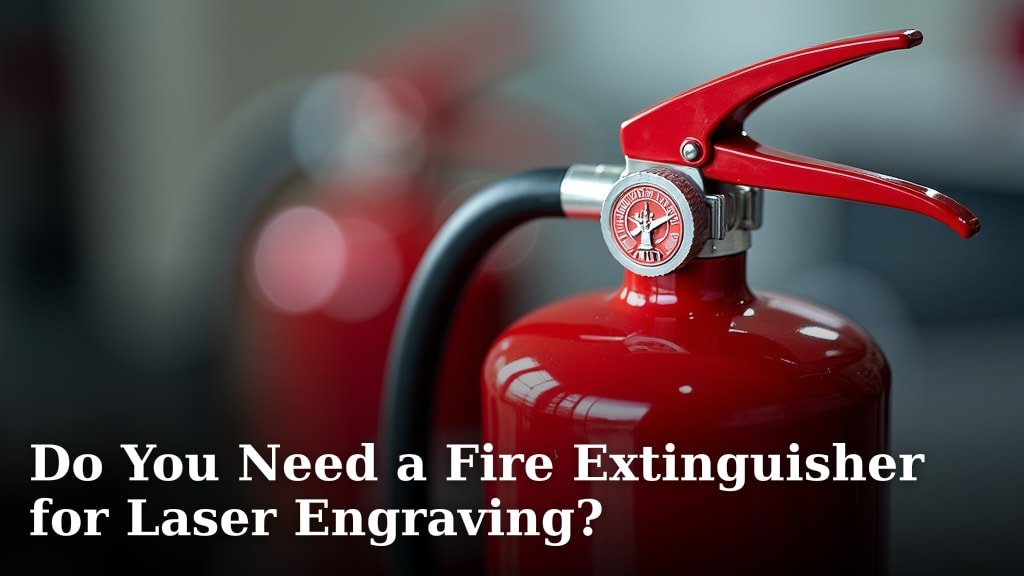
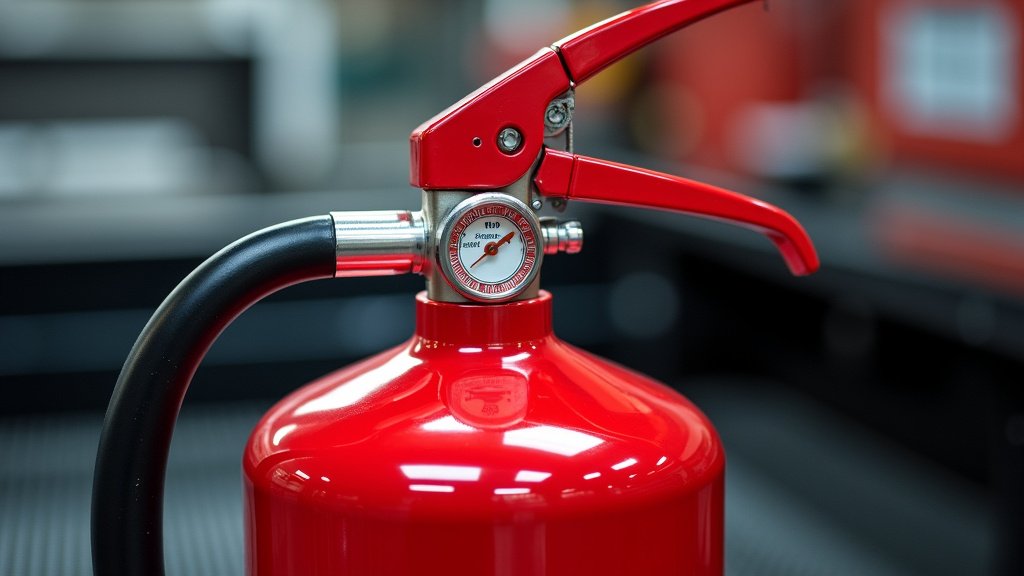
Yes, you absolutely need a fire extinguisher for laser engraving, especially when working with flammable materials like wood or acrylic. Fires can start unexpectedly during the engraving process, and having the right extinguisher nearby is a critical safety measure. It’s a simple step that can prevent serious damage and injury.
Many laser engravers operate at high temperatures, and stray sparks or excessive heat can easily ignite certain materials. This means even small projects carry a risk. Being prepared with a suitable fire suppression tool is essential for any serious hobbyist or professional. It’s about protecting your workspace and your passion.
Laser engraving involves flammable materials.
Fires can start quickly and unexpectedly.
A fire extinguisher is a crucial safety tool.
Class A or ABC extinguishers are usually recommended.
Always know how to use your extinguisher.
Let’s walk through why a fire extinguisher is so important and what kind you should have on hand for your laser engraving setup.
Why a Fire Extinguisher is Non-Negotiable for Laser Engravers
So, you’ve got a shiny new laser engraver, and you’re ready to create some amazing things. That’s fantastic! But before you dive headfirst into burning designs into wood or acrylic, let’s talk about something really important: fire safety. Think of it as the essential accessory you hope you never have to use, but absolutely need to have.
We’re talking about fire extinguishers. It might seem like overkill, especially for small projects. But research and common sense tell us that laser engraving, by its very nature, involves heat and flammable materials. This combination is a recipe for potential flames, and you need a plan.
Understanding the Risks of Laser Engraving Fires
Laser engraving works by using a concentrated beam of light to vaporize or melt material. This process generates a lot of heat. When this heat meets materials like wood, paper, fabric, or certain plastics, the risk of ignition goes way up. Even acrylic, which many think is pretty safe, can catch fire.
Consider this: a tiny spark or a focused point of intense heat can cause a material to smolder. This smoldering can quickly turn into a full-blown fire before you even realize what’s happening. It’s not just about the material you’re engraving; it’s also about dust buildup or even electrical faults within the machine itself.
Common Ignition Points
Material Flammability: Different materials burn at different temperatures. Wood, especially thin or dry pieces, is very susceptible.
Excessive Heat: Running your laser at too high a power or speed can generate more heat than the material can handle.
Dust and Debris: Accumulations of fine dust from engraving can become highly flammable.
Ventilation Issues: Poor airflow can allow heat to build up, increasing the risk.
Machine Malfunctions: Though rare, electrical shorts or faulty components can also be a fire hazard.
What Kind of Fire Extinguisher Do You Actually Need?
This is where it gets a little specific. Not all fire extinguishers are created equal, and using the wrong one can actually make a fire worse. For laser engraving, you’re generally looking at two main types, based on the kind of fires you’re likely to encounter.
Most fires in a laser engraving setting will involve common combustible materials (like wood and paper) or electrical equipment. This means you need an extinguisher that can handle both. We found that Class A and Class C fires are the most probable scenarios for hobbyists and professionals.
Understanding Fire Classes
Fire extinguishers are rated for different classes of fires:
Class A: For ordinary combustibles like wood, paper, cloth, and rubber.
Class B: For flammable liquids like gasoline, oil, and grease.
Class C: For energized electrical equipment. Using water on an electrical fire can conduct electricity and be very dangerous.
Class D: For flammable metals (less common in a laser engraving shop).
Class K: For cooking oils and fats (not relevant here).
Conclusion
You’ve learned that a fire extinguisher isn’t just a good idea for laser engraving; it’s a non-negotiable safety essential. Fires can start quickly and unexpectedly due to the high heat and flammable materials involved. We found that having a Class A or ABC rated extinguisher ready is your best defense. Don’t let a small accident turn into a disaster. Your next step is simple: purchase and place a suitable fire extinguisher within easy reach of your laser engraver. Stay safe and keep creating!
Frequently Asked Questions
Can I use water to put out a laser engraving fire?
Never use plain water on a fire involving energized electrical equipment in your laser engraver. Water conducts electricity, which could cause a shock or spread the fire. A Class C or ABC extinguisher is designed for electrical fires, making it much safer.
What is the best type of fire extinguisher for wood and acrylic engraving?
For engraving wood and acrylic, which are ordinary combustibles, a Class A extinguisher is suitable. However, since your laser engraver also has electrical components, an ABC rated extinguisher is generally recommended. This covers both Class A (ordinary combustibles) and Class C (electrical) fire risks.
How often should I check my fire extinguisher?
You should check your fire extinguisher regularly, at least once a month. Look to see that the pressure gauge is in the green zone and that the pin is still in place. Make sure the nozzle isn’t blocked. This quick check ensures it will work when you need it.
Where is the best place to keep a fire extinguisher for my laser engraver?
Keep your fire extinguisher in an easily accessible location, but not so close that it would be in the path of a fire. Your goal is to grab it quickly without having to navigate through smoke or flames. Think about placing it near the exit of your workspace.
What if my laser engraving project is very small? Do I still need an extinguisher?
Yes, even small projects carry a risk. A tiny spark or overheating can happen regardless of project size. It’s always better to be prepared. A fire extinguisher is a small investment in protecting your equipment, your workspace, and yourself from potential damage or injury.
Handyloom
Welcome to our site, a dedicated resource for the crafts and DIY community. Our mission is to simplify your creative journey by researching and comparing the latest hobby tools and supplies. We analyze product features and user feedback to provide organized guides, helping you find the right materials for your projects so you can focus on the joy of creating.