
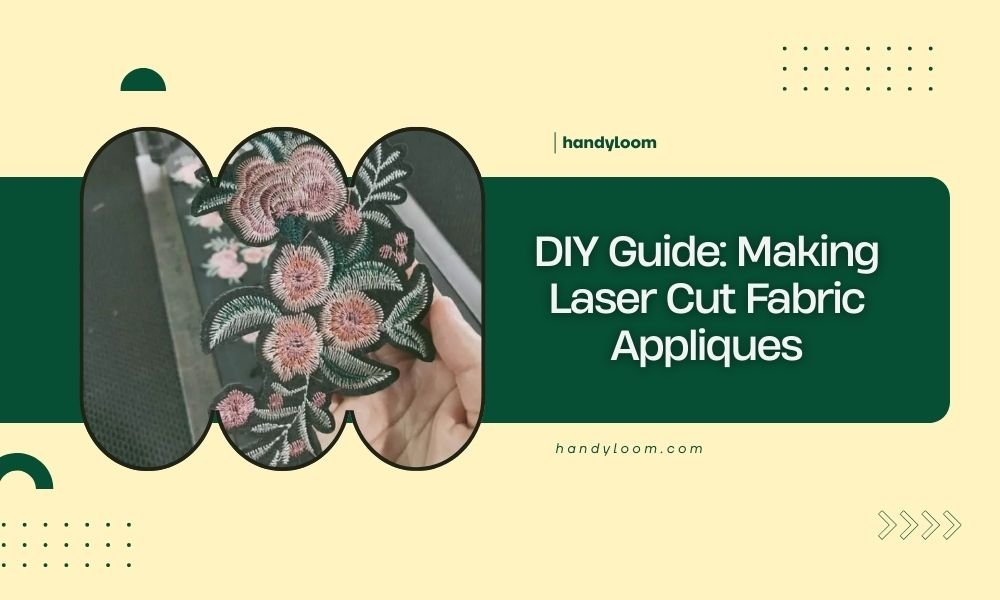
Laser cut fabric appliques are decorative fabric pieces cut with precision laser technology that you can attach to clothing, bags, or home decor items for personalized designs.
You can make DIY laser cut fabric appliques by designing your pattern, selecting appropriate fabric, using laser cutting settings between 10-30% power, and applying them with fusible backing or fabric glue.
What Are Laser Cut Fabric Appliques?
Think of laser cut fabric appliques as tiny works of art for your textiles. These are fabric shapes cut with laser precision that transform ordinary items into custom masterpieces.
The laser beam creates clean, sealed edges that prevent fraying. This means your appliques stay looking sharp wash after wash.
Why Choose Laser Cutting Over Traditional Methods?
Traditional fabric cutting with scissors or rotary cutters takes forever. Your hands get tired, and the edges often fray within weeks.
Laser cutting gives you perfect edges every time. The heat seals cotton and synthetic fabrics instantly. You can cut multiple layers at once, saving hours of work.
Materials You’ll Need
Getting started requires the right supplies. I found through research that certain materials work better than others for beginners.
Best Fabrics for Laser Cutting
- Cotton (lightweight to medium weight)
- Polyester blends
- Felt (synthetic works better than wool)
- Canvas (not too thick)
- Denim (light to medium weight)
Fabrics to Avoid
Some fabrics don’t play well with lasers. Avoid anything with metallic threads – they can damage your laser. Skip thick leather, vinyl, or heavily treated fabrics.
Essential Tools and Supplies
- Laser cutting machine or access to one
- Design software (free options work fine)
- Fusible web backing
- Iron and pressing cloth
- Fabric scissors for trimming
- Transfer paper if needed
Step-by-Step Design Process
Creating your design is like planning a road trip. You need to know where you’re going before you start.
Choosing Your Design
Start simple. Geometric shapes, basic florals, or simple text work best for beginners. Complex designs with tiny details often don’t cut cleanly on fabric.
I researched online communities and found that designs with at least 2mm thick lines work much better than delicate, thin patterns.
Design Software Options
You don’t need expensive software to start. Many laser cutting machines work with these free programs:
- Inkscape (completely free)
- GIMP (good for image editing)
- Canva (simple online tool)
- Your laser’s included software
File Format Requirements
Most laser cutters want vector files. Save your designs as SVG, DXF, or AI files. These formats keep your lines crisp at any size.
Preparing Your Fabric
Preparation makes the difference between success and frustration. Take time to prep your fabric right.
Pre-washing Considerations
Should you wash fabric before cutting? It depends on your project. If you’re making appliques for clothing that gets washed often, pre-wash your fabric. This prevents shrinking later.
For decorative items that won’t see much washing, you can skip this step.
Stabilizing Your Fabric
Lightweight fabrics sometimes shift during cutting. Iron a piece of temporary stabilizer to the back. This gives the laser something solid to work with.
Applying Fusible Backing
Many crafters apply fusible web before cutting. This saves time later and prevents small pieces from getting lost.
Iron the fusible web to your fabric following package directions. Let it cool completely before cutting.
Laser Cutting Settings and Techniques
Getting your settings right feels like learning to cook. You need practice to know what works.
Power and Speed Settings
Start with lower power settings. Fabric burns easily, and you can’t undo a burned edge.
| Fabric Type | Power (%) | Speed | Notes |
|---|---|---|---|
| Cotton (light) | 10-15% | Fast | Test first |
| Cotton (medium) | 15-25% | Medium | May need two passes |
| Polyester blend | 20-30% | Medium | Cuts cleanly |
| Felt | 25-35% | Slow | Thick material |
Test Cuts Are Your Friend
Always cut a small test piece first. Use fabric scraps from your project. This saves you from ruining your good fabric.
Look for clean edges without brown burn marks. If you see burning, reduce power or increase speed.
Multiple Pass Technique
Sometimes one pass isn’t enough. Two light passes often work better than one heavy pass. This prevents burning while ensuring complete cuts.
Application Methods
Now comes the fun part – putting your appliques to work. You have several options depending on your project.
Heat Transfer Method
This is the most common method. If you applied fusible backing before cutting, you’re almost done.
Position your applique on the base fabric. Cover with a pressing cloth. Iron for 10-15 seconds with steady pressure.
Hand Sewing Technique
For items that get heavy use, hand sewing adds security. Use small, even stitches around the edges.
A blanket stitch looks nice and adds decorative appeal. Take your time – rushing leads to uneven stitches.
Machine Sewing Options
Your sewing machine can handle applique attachment too. Use a zigzag stitch or decorative stitch around the edges.
Go slowly, especially around curves. Let the machine do the work.
Troubleshooting Common Issues
Every crafter faces challenges. Here’s how to solve the most common problems.
Burned or Brown Edges
Brown edges mean your power is too high or speed too slow. Reduce power by 5-10% and try again.
Some fabrics brown more easily than others. Synthetic blends usually cut cleaner than pure cotton.
Incomplete Cuts
If your fabric isn’t cutting all the way through, increase power slightly. Make sure your fabric lies flat on the cutting bed.
Sometimes dust or debris on the lens causes weak cutting. Clean your laser regularly.
Fabric Shifting During Cuts
Use low-tack tape to hold fabric edges down. Don’t use regular tape – it leaves residue.
A cutting mat designed for laser work helps keep fabric stable.
Creative Project Ideas
Ready to put your new skills to work? These projects are perfect for beginners.
Personalized T-Shirts
Start with simple shapes or letters. Kids love seeing their names on shirts. Use bright colors that contrast with the shirt.
Decorative Tote Bags
Plain canvas tote bags become special with custom appliques. Geometric patterns work well and look professional.
Home Decor Applications
Pillow covers, table runners, and wall hangings all benefit from laser cut appliques. Mix different fabrics for interesting textures.
Care and Maintenance Tips
Your finished appliques will last longer with proper care. Wash in cool water and avoid harsh detergents.
Turn items inside out when washing. This protects the applique surface from friction.
Storage Solutions
Store unused appliques flat between tissue paper. This prevents them from sticking together if they have fusible backing.
Conclusion
Making laser cut fabric appliques opens up endless possibilities for personalization and creativity. With the right materials, proper settings, and a bit of practice, you can create professional-looking appliques that add charm to any project.
Start with simple designs and work your way up to more complex patterns. Remember that each fabric behaves differently, so always test your settings first. The time you invest in learning these techniques will pay off in beautiful, custom creations that reflect your personal style.
What thickness of fabric works best for laser cutting appliques?
Lightweight to medium-weight fabrics work best, typically between 3-8 ounces. Thick fabrics like heavy denim or canvas may require multiple passes and can create rough edges.
Can I layer multiple fabrics when laser cutting appliques?
Yes, you can cut up to 3-4 layers of lightweight fabric at once. Keep layers even and well-aligned, and increase your power setting by 10-20% to ensure clean cuts through all layers.
How do I prevent my appliques from peeling off after washing?
Use high-quality fusible web and follow temperature guidelines carefully. Add decorative stitching around edges for extra security, and always wash in cool water on gentle cycle.
What’s the smallest detail size I can achieve with laser cut fabric appliques?
Details should be at least 2mm wide for reliable cutting. Smaller details often don’t cut cleanly or may fall apart during handling and application.
Do I need special ventilation when laser cutting fabric?
Yes, always use proper ventilation when laser cutting any material. Synthetic fabrics can release fumes, and even natural fabrics create smoke that should be extracted from your workspace.
