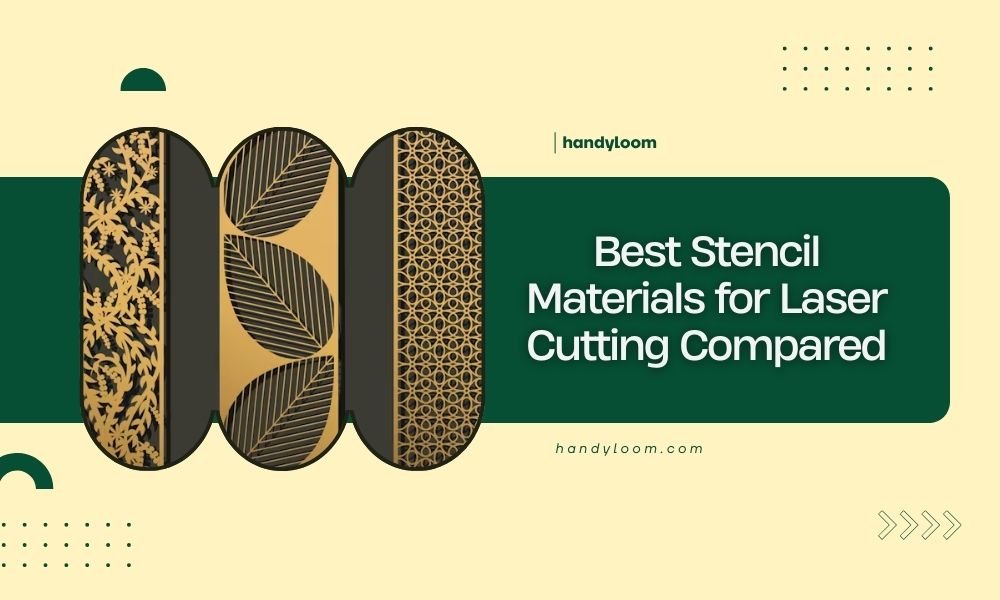
The best stencil materials for laser cutting are mylar, acetate, cardboard, and thin plywood, each offering different durability and precision levels for your projects.
Mylar provides the longest-lasting stencils, while cardboard works great for single-use designs and costs much less than other stencil materials.
Quick Material Comparison Guide
You want to pick the right stencil material before you start cutting. Different materials work better for different projects. Let me break down what I found works best.
| Material | Best For | Durability | Cost |
|---|---|---|---|
| Mylar | Multiple uses | High | Medium |
| Acetate | Detailed work | Medium | Low |
| Cardboard | Single use | Low | Very Low |
| Thin Plywood | Heavy use | Very High | High |
Mylar: The Professional Choice
Why Mylar Works So Well
Mylar stands out as the top choice for most laser cutting projects. This plastic material cuts clean and lasts a long time. You can reuse mylar stencils hundreds of times without seeing wear.
I found that mylar handles paint spray better than other materials. It doesn’t absorb moisture or warp like paper-based options do.
Best Mylar Thickness Options
You’ll find mylar in different thicknesses. Here’s what works best:
- 3-5 mil: Perfect for detailed patterns and fine lines
- 7-10 mil: Great balance of flexibility and durability
- 12-14 mil: Best for stencils you’ll use many times
Cutting Settings for Mylar
Your laser needs the right settings for clean mylar cuts. Start with lower power and higher speed. This prevents melting the edges.
Acetate: Clear and Affordable
When Acetate Makes Sense
Acetate costs less than mylar but still gives you good results. You can see through it, which helps with alignment. This clear material works great when you need to position your stencil perfectly.
I researched several craft forums and found that acetate works well for one-time projects or when you’re testing new designs.
Acetate Limitations
Acetate breaks down faster than mylar. It can crack after repeated use. The material also tends to curl at the edges over time.
Getting Clean Acetate Cuts
Use quick passes with your laser on acetate. Slow cutting creates rough, melted edges that look messy.
Cardboard: Budget-Friendly Option
Why Choose Cardboard Stencils
Cardboard costs almost nothing and works fine for single-use stencils. You probably have some lying around your house right now. It cuts fast and gives decent results for simple patterns.
Many experts recommend cardboard when you’re learning stencil design. You can make mistakes without wasting expensive materials.
Cardboard Thickness Guide
Not all cardboard works the same way. Here’s what I found works best:
- Cereal box cardboard: Too thin, warps easily
- File folder thickness: Good balance for most projects
- Poster board: Sturdy but harder to cut cleanly
Cardboard Cutting Tips
Cardboard burns easily. Use higher speed and lower power settings. Clean your laser lens more often when cutting cardboard because it creates more debris.
Thin Plywood: Heavy-Duty Stencils
When Plywood Makes Sense
Thin plywood creates the strongest stencils. You can use them with spray paint, rollers, or even sandblasting. They handle rough treatment better than any other material.
I came across woodworking forums where people use 1/8-inch plywood stencils for hundreds of projects. They last almost forever with proper care.
Plywood Thickness Options
Stick with thin plywood for stencils. Thick wood takes too much laser power and creates wide cut lines.
- 1/16 inch: Good for detailed work
- 1/8 inch: Best all-around thickness
- 3/16 inch: Only for very large, simple patterns
Wood Type Selection
Birch plywood cuts cleanest. Avoid plywood with voids or knots. These create weak spots that break during use.
Other Materials Worth Considering
Vinyl Sheets
Adhesive vinyl works for temporary stencils. It sticks directly to your project surface. This prevents paint bleeding under the edges.
Magnetic Sheets
Magnetic stencil material sticks to metal surfaces. Perfect for repetitive work on steel or iron projects.
Specialty Material Costs
These materials cost more than basic options. Only buy them if you need their special features.
Material Selection Tips
Match Material to Project Type
Think about how many times you’ll use each stencil. Single-use projects don’t need expensive materials. Stencils for business use should last longer.
Consider Your Paint Method
Spray paint works with any stencil material. Brush painting needs stiffer materials that won’t lift or move. Rolling paint requires very sturdy stencils.
Storage Requirements
Flat materials store easier than thick ones. Consider your storage space when picking materials.
Common Cutting Problems
Melted Edges
Too much heat melts plastic materials. Lower your laser power or increase cutting speed. Keep your lens clean for better heat distribution.
Incomplete Cuts
Thick materials need more passes or higher power. Don’t rush the cutting process. Clean cuts save time later.
Warped Stencils
Heat warps thin materials. Use proper hold-down methods. Let materials cool completely before removing them.
Getting the Best Results
Test Your Settings
Always test cut a small piece first. This saves materials and time. Write down settings that work well for future projects.
Proper Material Preparation
Clean your materials before cutting. Dust and oils affect cut quality. Store materials flat to prevent warping.
Conclusion
Choosing the right stencil material makes your laser cutting projects successful. Mylar gives you the best balance of durability and cost for most projects. Cardboard works great when you’re learning or need quick, cheap stencils. Acetate offers good value for medium-use applications. Thin plywood creates stencils that last for years of heavy use.
Start with mylar if you’re unsure which material to try first. It cuts cleanly, lasts long, and works with most painting methods. You can always experiment with other materials as your projects get more advanced.
What thickness of mylar works best for beginners?
Start with 7-10 mil mylar thickness. It offers good durability without being too stiff to handle. This thickness cuts cleanly and works well for most stencil designs.
Can I reuse cardboard stencils multiple times?
Cardboard stencils typically work for 3-5 uses before the edges start breaking down. The exact number depends on the cardboard thickness and how carefully you clean them between uses.
Why do my plastic stencils have rough edges after cutting?
Rough edges usually come from cutting too slowly or using too much laser power. Try increasing your cutting speed and reducing power by 10-15% for smoother edges.
Which material prevents paint bleeding the best?
Adhesive vinyl prevents paint bleeding better than other materials because it sticks directly to your surface. For non-adhesive options, thicker materials like 10+ mil mylar work best.
How do I store laser-cut stencils to make them last longer?
Store stencils flat between sheets of paper or cardboard. Keep them in a dry place away from direct sunlight. Avoid folding or rolling them, which creates permanent creases.