
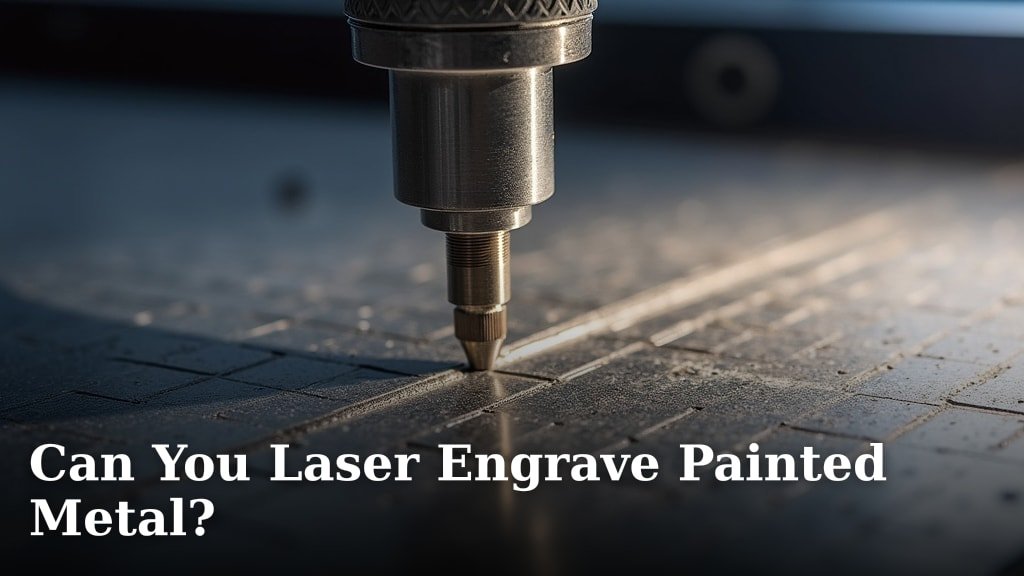
Yes, you can absolutely laser engrave painted metal! It’s a popular technique for creating stunning designs. You’ll get crisp, permanent marks by removing the paint layer. This reveals the bare metal underneath, offering a beautiful contrast. Our DIY guide explains how to laser engrave painted metal.
Laser engraving painted metal works on various types of paint. Powder coating, spray paint, and anodized finishes can all be engraved. The key is controlling the laser’s power and speed. This ensures you remove only the paint, not the underlying metal itself. Many people are surprised by the clean results they can achieve.
- Yes, laser engraving painted metal is possible.
- You remove the paint layer to reveal the metal.
- Control laser settings for best results.
- Great for custom designs and branding.
Below, we’ll walk you through exactly how this process works and what you need to consider for your projects.
Laser Engraving on Painted Metal: What You Need to Know
You might be wondering how laser engraving painted metal actually works. It’s a surprisingly straightforward process. You’re essentially using a focused beam of light to remove the top paint layer. This reveals the metal beneath it. The result is a contrasting mark that’s permanent and looks fantastic. It’s a popular choice for adding custom touches to all sorts of items.
Think of it like etching. You’re not melting or vaporizing the metal itself. You’re just carefully removing the paint. This means you can achieve very detailed designs. The laser’s precision is key here. It allows for fine lines and intricate patterns. This makes it perfect for everything from product branding to personal gifts.
The Science Behind the Engraving Process
So, how does a laser actually “engrave” painted metal? It all comes down to energy. A laser emits a highly concentrated beam of light. When this beam hits the painted surface, the energy is absorbed by the paint layer. This causes the paint to heat up very quickly. It then vaporizes or is blown away by an assist gas.
The laser parameters are carefully controlled. We’re talking about power, speed, and frequency. These settings determine how much energy is delivered. They also dictate how quickly the laser moves across the surface. The goal is always to remove the paint layer without affecting the underlying metal. This careful balance is what makes the process so effective and clean.
Understanding Laser Types and Their Roles
Different types of lasers are used for engraving. The most common for metal and painted surfaces are CO2 lasers and Fiber lasers. Each has its strengths.
CO2 Lasers
CO2 lasers are often used for engraving non-metals. They can also work on painted metal. They use a gas mixture to create the laser beam. These are generally a more economical option. They can effectively vaporize many types of paint. However, they might not be as fast or precise on bare metal as fiber lasers.
Fiber Lasers
Fiber lasers are excellent for metals. They produce a very fine beam. This allows for extremely detailed and high-contrast marks. They are particularly good at engraving anodized aluminum and coated metals. Because they are so efficient, they can often engrave faster. We found that fiber lasers excel when you need sharp, crisp lines on metal.
The Role of Assist Gas
An assist gas is often used during laser engraving. This gas is typically air, nitrogen, or argon. It’s directed at the point where the laser hits the material. What does it do? It helps to clear away the vaporized paint. This keeps the laser lens clean. It also helps to cool the material. This prevents unwanted charring or discoloration. Using the right assist gas can lead to a much cleaner engraving result.
Types of Paint and Finishes You Can Engrave
The good news is that laser engraving painted metal isn’t limited to just one type of paint. Many common finishes work beautifully. This gives you a lot of flexibility for your projects.
Powder Coating
Powder coating is a very popular finish for metal items. It’s durable and comes in a huge range of colors. Laser engraving works exceptionally well on powder-coated surfaces. The laser removes the powder coating layer. This leaves a clean, often metallic-looking mark beneath. It creates a fantastic contrast. Many industrial and consumer products use this combination.
Spray Paint
Regular spray paint can also be laser engraved. The results will depend on the paint’s quality and thickness. Thicker paints might require more passes or higher power. You’ll achieve a similar effect: removing the paint to show the metal. It’s important to test your settings first. This ensures you get a clean removal without damaging the metal. We found that thinner, high-quality spray paints yield the best results.
Anodized Finishes
Anodizing is a process that increases the corrosion resistance of metal. It also provides a colored finish. Laser engraving on anodized metal is very common. The laser essentially removes the colored anodized layer. This reveals the bare metal underneath. This creates a very sharp and permanent mark. It’s widely used for labeling electronics and equipment.
Painted Stainless Steel
Stainless steel often has a painted or coated finish. Laser engraving works well here. You’ll remove the paint to expose the stainless steel. This gives you that classic two-tone look. It’s a great way to personalize kitchenware, tools, or signage. The durability of stainless steel combined with a laser-engraved design is a winning combination.
Key Considerations for Successful Engraving
While laser engraving painted metal is achievable, there are a few things you’ll want to keep in mind. Getting the best results often comes down to preparation and technique.
Material Type Matters
The type of metal underneath the paint is important. Some metals react differently to heat. For example, aluminum and stainless steel are common and engrave well. Other metals might have lower melting points. You need to be aware of this. This helps in setting the correct laser power. Always try to identify the base metal if possible.
Paint Thickness and Layers
Thicker paint layers will naturally require more laser energy. They might also need multiple passes. If the paint is applied in multiple layers, you might see different colors revealed as the laser works. Understanding how the paint is applied can help predict the final look. We found that thin, uniform paint layers are the easiest to work with.
Testing Your Settings is Crucial
This is perhaps the most important step. Before you engrave your final piece, always do a test run. Use a scrap piece of the same material. Try different laser power and speed settings. This helps you find the sweet spot. You want to remove the paint cleanly. You don’t want to deeply engrave or damage the metal. A small test area can save you a lot of frustration.
Ventilation and Safety Precautions
When paint vaporizes, it can create fumes. These fumes can be harmful. It’s essential to have good ventilation. Your laser engraving machine should have an exhaust system. This vents the fumes away safely. Always wear appropriate safety glasses. These should be rated for the specific laser wavelength you are using. Safety is always the top priority.
Achieving the Best Contrast and Finish
The goal is usually to get a clear, readable mark with good contrast. This means the color of the revealed metal should stand out against the remaining paint. Sometimes, the raw metal might be dull or have a slight oxidation. You might want to consider how this will look.
Color of the Base Metal
The color of the metal underneath the paint will influence the final contrast. For instance, engraving black painted stainless steel will reveal the silver color of the steel. This creates a strong contrast. Engraving a light blue painted aluminum might reveal a lighter gray or silver tone, depending on the anodization or bare metal color.
Post-Engraving Cleaning
After engraving, there might be some residue. This can be soot or small particles of paint. A gentle cleaning is often needed. You can use a soft cloth with some isopropyl alcohol. This will wipe away any remaining debris. It will leave your engraved design looking clean and sharp. Sometimes, a soft brush can help too.

Common Applications for Laser Engraved Painted Metal
The versatility of laser engraving painted metal opens up many creative possibilities. You’ll see it used across various industries and for personal projects.
Product Branding and Identification
Many companies use this technique for branding. Think of logos on tools, electronics, or sporting goods. It’s a durable way to mark products. This ensures brand visibility. It also provides serial numbers or identification marks.
Personalized Gifts and Awards
Creating custom gifts is another big area. Imagine a personalized water bottle or a custom-designed flask. Engraved metal awards and plaques also look very professional. The ability to add names, dates, or special messages makes these items unique.
Custom Signage and Decor
Painted metal signs can be made more striking with laser engraving. You can create detailed graphics or text. It’s also used for decorative metal pieces in homes or businesses. The contrast achieved adds a sophisticated touch.
Troubleshooting Common Engraving Issues
Even with careful preparation, you might encounter a few hiccups. Knowing how to address them can save your project.
Inconsistent Removal
If the paint isn’t being removed evenly, it could be a few things. Your laser beam might not be focused correctly. The paint layer itself could be uneven. Or, your laser settings might need adjustment. Try increasing the power slightly or slowing down the speed. Ensure your material is flat and stable.
Marking the Metal Instead of Just Removing Paint
This usually means your laser power is too high. Or, your laser is set to engrave for too long. You’re essentially vaporizing the metal. Reduce the laser power significantly. You might also need to increase the speed. Remember, the goal is to remove paint, not metal.
Residue or Smudging
Sometimes, the vaporized paint can resettle on the surface. Or, soot can form. This is where post-engraving cleaning is vital. Use a good solvent like isopropyl alcohol. A clean, lint-free cloth is best. For stubborn residue, a soft brush can help dislodge it before wiping.
Quick Checklist for Engraving Painted Metal
Ready to give it a try? Keep this handy checklist in mind:
- Confirm your laser type is suitable for painted metal.
- Identify the base metal if possible.
- Test your laser settings on a scrap piece first.
- Ensure good ventilation and wear safety glasses.
- Clean the engraved area afterward for a pristine finish.
- Be patient – finding the perfect settings might take a few tries.
Conclusion
You’ve learned that laser engraving painted metal is entirely possible and offers a fantastic way to create custom designs. By understanding how the laser interacts with the paint and controlling your settings, you can achieve crisp, permanent marks that reveal the bare metal underneath. Remember, thorough testing on scrap material is your best friend. Always prioritize safety with proper ventilation and eye protection. Now you’re equipped to tackle your projects and create stunning, personalized items!
Frequently Asked Questions
What happens to the paint during laser engraving?
The focused laser beam heats the paint layer rapidly, causing it to vaporize. An assist gas then helps to clear away this vaporized paint. This process effectively removes the top paint layer. It leaves the bare metal beneath exposed.
Can I laser engrave any color of paint?
Yes, you can typically engrave any color of paint. The color of the paint itself doesn’t prevent engraving. What matters more is the type of paint and the laser settings you use. Darker paints might absorb more laser energy, so adjustments may be needed.
Will laser engraving damage the metal if done incorrectly?
Yes, if your laser power is too high or the speed is too slow, you can engrave into the metal itself. This is why testing your settings on a scrap piece is so important. The goal is to remove only the paint layer, not to cut into the metal.
How do I clean the engraved area after laser engraving painted metal?
After engraving, there might be some residue or soot. You can typically clean this gently with a soft cloth and isopropyl alcohol. For tougher spots, a soft brush can help dislodge debris before wiping. This leaves your design looking clean and sharp.
Is it safe to laser engrave painted metal indoors?
It’s essential to have good ventilation when laser engraving painted metal. The vaporized paint can create fumes that are harmful if inhaled. Always ensure your laser machine has an effective exhaust system to vent fumes safely outdoors or through appropriate filtration.
