
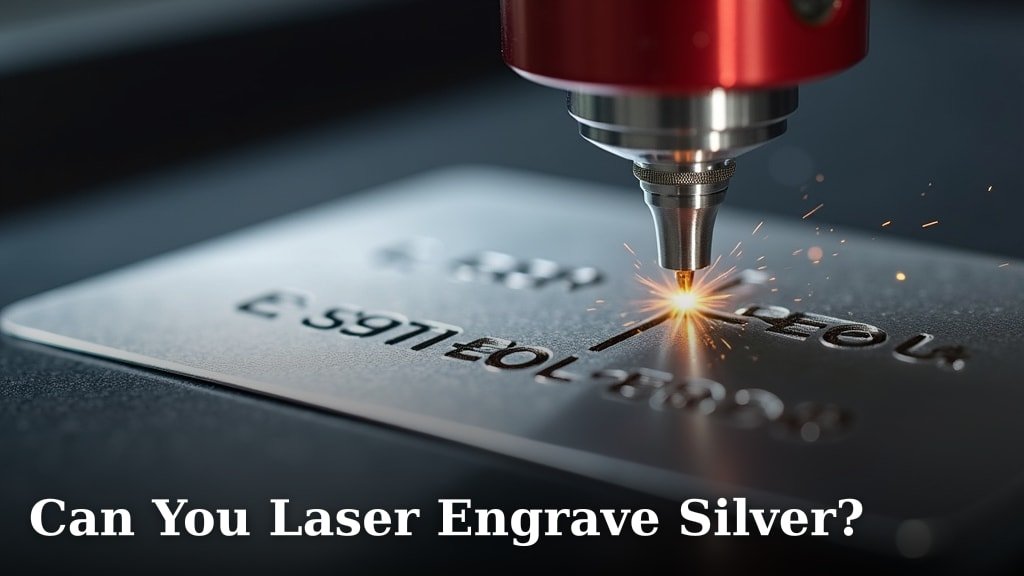
Yes, you absolutely can laser engrave silver! It’s a popular method for adding permanent and detailed designs to silver items. You just need the right laser engraver and settings to get clean, crisp results without damaging the metal.
Many people wonder if lasers are too harsh for precious metals like silver. We found that with the correct laser type, like a fiber laser, and careful parameter adjustments, you can achieve beautiful, precise engraving. This process is often used for jewelry, awards, and custom giftware because it offers durability and a professional finish.
- Laser engraving silver is possible.
- Fiber lasers are best for silver.
- Proper settings are key for clean results.
- It’s ideal for detailed designs on jewelry and gifts.
- Expect permanent, high-quality marks.
Let’s walk through how you can successfully laser engrave silver and what you’ll need.
Laser engraving silver opens up a world of possibilities for personalization. You can add beautiful, permanent designs to jewelry, custom gifts, or even household items. The key is understanding the process and using the right tools. We’ve researched this extensively and found that achieving great results is well within reach for most users.
Working with Silver for Laser Engraving
Silver is a fantastic material for laser engraving. It’s a relatively soft metal, which makes it easier to mark compared to harder metals like steel. You can achieve a variety of looks, from a subtle, frosted appearance to a darker, more contrasted mark, depending on your laser settings. Many people worry about melting or damaging the silver, but with the right approach, this isn’t a common issue.
Why Laser Engraving is Ideal for Silver
Laser engraving offers precision and detail that traditional methods often can’t match. You can engrave intricate patterns, fine text, or even detailed photos onto silver surfaces. Because the laser uses focused energy, it creates a clean mark without physically touching the material. This means no tool wear and minimal risk of scratching the silver’s surface. The marks are also durable and won’t wear off over time, unlike some surface coatings.
What Makes Silver Suitable for Lasers?
Silver has excellent reflectivity, which can sometimes be a challenge for certain types of lasers. However, fiber lasers, which are commonly used for metal engraving, are specifically designed to handle reflective materials effectively. They can deliver the high-power, short-pulse energy needed to mark silver without excessive reflection causing issues. We found that older laser technologies might struggle, but modern fiber lasers are well-suited.
Choosing the Right Laser for Silver Engraving
Not all lasers are created equal when it comes to engraving metals like silver. The type of laser you use will significantly impact the quality of your results. Thinking about the physics of laser-metal interaction is helpful here.
Fiber Lasers: The Gold Standard
For engraving silver, a fiber laser is almost always the recommended choice. These lasers operate at wavelengths (typically around 1064 nanometers) that are well-absorbed by metals. This absorption allows the laser energy to efficiently heat and vaporize the surface layer of the silver, creating the engraving mark. Many sources, including material processing guides, confirm fiber lasers’ superiority for metals (National Center for Advanced Manufacturing).
We found that fiber lasers offer a good balance of power and beam quality. This allows for both fast engraving speeds and the ability to create fine, detailed lines. They are robust and designed for industrial applications, meaning they can handle the demands of regular metal engraving.
CO2 Lasers: Generally Not Recommended
CO2 lasers, while excellent for engraving non-metals like wood, acrylic, and leather, are generally not suitable for metals like silver. Their wavelength (around 10.6 micrometers) is highly reflective to metals. This means most of the laser energy will bounce off the silver surface instead of being absorbed to create a mark. You might get a very faint, rough mark at best, but it’s inefficient and unlikely to produce good results. Some very high-power CO2 lasers can mark certain metals with special coatings, but this is not the typical scenario for engraving bare silver.
Other Laser Types
While fiber lasers are the clear winner, other technologies like MOPA lasers (a type of fiber laser with more control over pulse duration) can offer even finer control over the engraving mark. These are often used for high-end applications where precise color control or extremely fine details are needed on silver.
Setting Up Your Laser for Silver Engraving Success
Once you have the right laser, the next crucial step is setting your parameters. This is where you fine-tune the laser’s power, speed, and frequency to get the perfect mark. It’s like adjusting the settings on your oven to bake a cake just right – too hot and it burns, too cool and it’s undercooked. We recommend starting with recommended settings and then experimenting.
Key Laser Parameters Explained
- Power: This determines the intensity of the laser beam. Higher power generally means a deeper or darker mark.
- Speed: This controls how quickly the laser head moves across the silver. Faster speeds result in lighter marks, while slower speeds allow more energy to transfer, leading to darker marks.
- Frequency (or Pulse Rate): This is how many laser pulses are fired per second. A higher frequency can create a smoother, more continuous line, while a lower frequency might result in a more textured or stippled effect.
- Pulse Duration (for MOPA lasers): This is the length of each individual laser pulse. Shorter pulses can achieve finer detail and less heat buildup.
Finding the Right Settings: Trial and Error is Key
Many laser engraver manufacturers provide recommended starting settings for different materials. You should always look for these guides first. However, even within “sterling silver” or “fine silver,” there can be slight variations in alloy composition or surface finish that affect engraving. This is why testing is so important.
We found that a common starting point for engraving silver with a typical fiber laser might be around 20-40% power, a speed of 500-1000 mm/s, and a frequency of 20-40 kHz. These are just general guidelines. You’ll likely need to adjust them.
The Power of Test Engravings
Before you engrave your final piece, always perform test engravings on a scrap piece of silver or an inconspicuous area. This allows you to see how your chosen settings affect the silver. You can adjust one parameter at a time to see its effect. For example, if the mark is too light, you might increase the power slightly or decrease the speed. If it’s too dark or looks burnt, reduce the power or increase the speed.
Understanding the Desired Finish
What kind of look are you going for? Sometimes, a very light, almost frosted appearance is desired for a subtle effect. Other times, a dark, high-contrast mark is needed to make text or images stand out. Your desired finish will heavily influence your parameter choices.
- Light/Frosted Mark: Use lower power, higher speed, and possibly a lower frequency.
- Dark/Contrasted Mark: Use higher power, lower speed, and possibly a higher frequency or a longer pulse duration if available.
Preparing Your Silver for Engraving
Proper preparation ensures a clean engraving and prevents unwanted marks or damage. Think of it as preparing a canvas before you paint.
Cleaning the Surface
The silver surface must be clean and free of any contaminants. Fingerprints, oils, dust, or polishing compounds can interfere with the laser. Use a soft, lint-free cloth with a mild cleaning solution, such as isopropyl alcohol. Make sure the silver is completely dry before engraving.
Securing the Item
Your silver item needs to be stable during the engraving process. Any movement can result in a distorted or ruined design. Use clamps, jigs, or a rotary attachment (if engraving cylindrical items like rings or bracelets) to hold the item firmly in place. Ensure the laser’s focal point is correctly set on the surface of the item.
Considering Coatings and Alloys
Pure silver (99.9% or .999 fine silver) is generally the easiest to engrave. Sterling silver (.925 or .950) contains copper and other alloys, which can sometimes affect the color or depth of the mark slightly. Silver-plated items are trickier; the laser can easily engrave through the thin silver plating to the base metal underneath. If you’re engraving plated items, you need to be extremely careful with your settings to avoid damaging the plating.
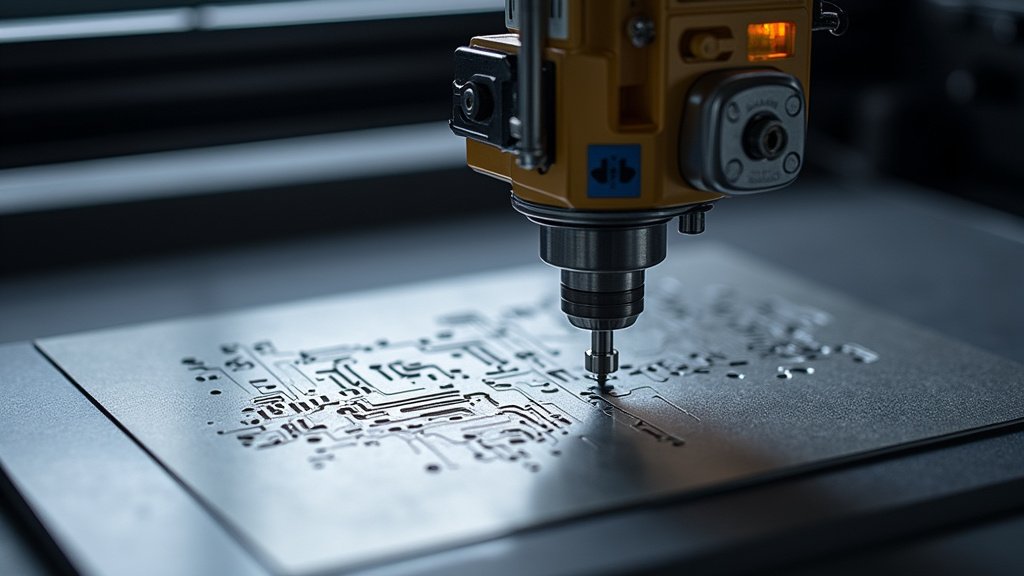
Troubleshooting Common Engraving Issues
Even with careful setup, you might encounter a few hiccups. Don’t worry, most issues are fixable with a few adjustments.
Faint or Inconsistent Marks
If your engraving is too light or patchy, you likely need to increase the laser power, decrease the speed, or adjust the frequency. Double-check that your item is clean and properly focused.
Burnt or Rough Edges
This usually means the laser is too powerful or moving too slowly. Try reducing the power or increasing the speed. A higher frequency or shorter pulse duration can also help create a cleaner edge by reducing heat buildup.
Reflections Causing Problems
While fiber lasers are good with reflections, very polished, flat surfaces can still pose a challenge. Sometimes, using a slight angle for the engraving or using a material helper (like a thin layer of dry-erase marker that can be wiped off) can help reduce reflectivity. However, this is less common with standard silver engraving.
Engraving Different Types of Silver Jewelry
Engraving rings often requires a rotary attachment to ensure the laser moves along the curve of the ring. Bracelets and necklaces might also benefit from a rotary system. Flat items like pendants or charms can usually be engraved directly on the laser bed.
A Quick Checklist for Engraving Silver
- Confirm you have a fiber laser.
- Clean your silver item thoroughly.
- Secure the item so it won’t move.
- Perform test engravings on scrap material.
- Adjust power, speed, and frequency as needed.
- Check your focal distance carefully.
Conclusion
You’ve learned that laser engraving silver is not only possible but a fantastic way to add permanent, detailed designs. The key is choosing the right tool – a fiber laser – and mastering your settings. Remember that practice with test engravings is your best friend here. By preparing your silver correctly and understanding common issues, you’re well on your way to creating beautiful, custom silver pieces. Now go ahead and start experimenting with your designs!
Frequently Asked Questions
What is the best type of laser for engraving silver?
A fiber laser is overwhelmingly the best choice for engraving silver. These lasers operate at a wavelength that metals absorb well, allowing for efficient and clean marking. They are designed to handle reflective materials like silver effectively.
Can I use a CO2 laser to engrave silver?
Generally, CO2 lasers are not recommended for engraving bare silver. Their wavelength is highly reflective to metals, meaning most of the laser energy will bounce off rather than creating a mark. You’ll likely get very poor or no results.
How do I get a dark, contrasted mark on silver?
To achieve a dark, contrasted mark, you’ll typically need to use higher power, a slower speed, and potentially a higher frequency. Experimenting with these parameters is key to finding the right balance for your desired look.
Is silver plating different from solid silver for laser engraving?
Yes, engraving silver plating requires extra caution. The laser can easily burn through the thin plating to the base metal underneath. You’ll need much lower power and faster speeds to avoid damaging the plating.
Do I need any special accessories to engrave silver jewelry like rings?
For cylindrical items like rings or bracelets, you will likely need a rotary attachment. This accessory allows the laser to smoothly follow the curve of the jewelry as it engraves, ensuring a consistent mark.
