
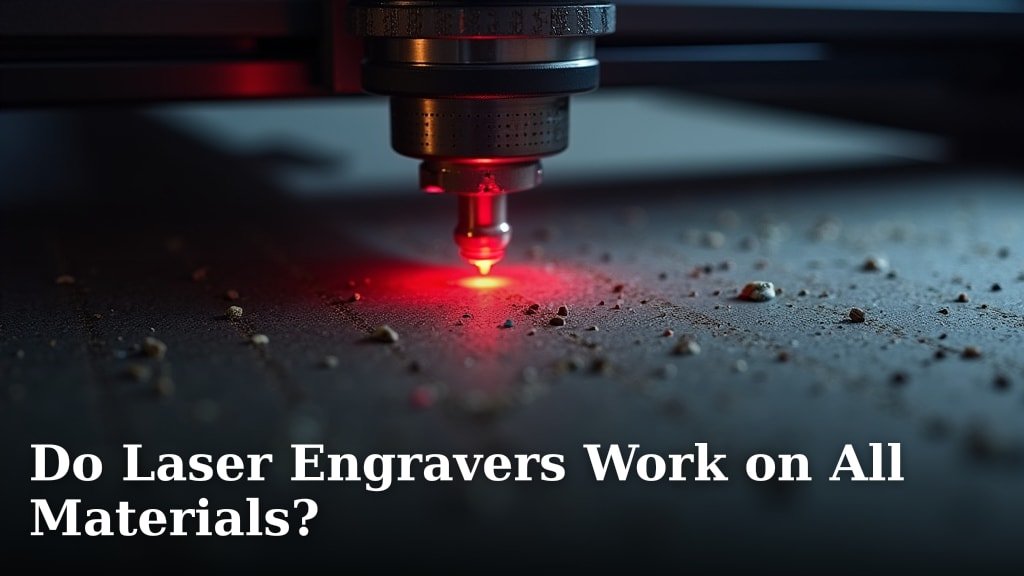
No, laser engravers do not work on all materials. While they are incredibly versatile, their effectiveness depends on the material’s properties, like its heat resistance and composition. Some materials simply vaporize or burn rather than engrave cleanly.
Understanding your laser engraver’s capabilities is key. Different laser types, like CO2 or fiber lasers, work best on different substances. Knowing which laser is right for your project can save you frustration and wasted materials. Your project’s success often hinges on this match.
TL;DR:
- Laser engravers work on many, but not all, materials.
- Material properties like heat resistance matter.
- Different laser types suit different materials.
- Matching the laser to the material is vital for good results.
Below, we’ll break down what materials you can expect your laser engraver to handle and which ones might cause headaches. Let’s get your creative projects powered up!
What Materials Can Your Laser Engraver Handle?
You might be wondering, “Can my laser engraver actually work on everything I throw at it?” It’s a fair question, and the honest answer is no, not quite. While laser engravers are marvels of modern technology, they have their limits. Think of it like trying to paint a masterpiece with a crayon – some tools just aren’t suited for every job.
The key to understanding what your laser engraver can and cannot do lies in the material’s properties. Some substances react wonderfully to a laser’s beam, engraving smoothly and cleanly. Others might melt, burn, produce toxic fumes, or simply not react at all. It’s all about finding the right match between your laser and the material you want to mark.
The Science Behind the Engraving: Heat is Key
At its core, laser engraving involves using a concentrated beam of light, often a laser, to remove material from a surface. This removal process can happen in a few ways, but the most common involves vaporizing or ablating the material with heat. The laser’s energy is absorbed by the surface, causing it to heat up rapidly.
When the material absorbs enough energy, it can change state. For engraving, we want it to turn directly into a gas (vaporize) or become hot enough to be blown away. Different materials respond differently to this heat. Some have a low melting or boiling point, making them easy to work with. Others require much more energy or react poorly to the heat, leading to undesirable results.
Understanding Laser Types and Their Material Preferences
Not all lasers are created equal, and the type of laser you have significantly impacts the materials it can engrave. The two most common types for hobbyists and small businesses are CO2 lasers and Fiber lasers.
CO2 Lasers: The Versatile All-Rounder
CO2 lasers are gas lasers that emit light in the infrared spectrum. They are incredibly versatile and are generally the go-to for non-metal materials. You’ll find them excellent for engraving and cutting wood, acrylic, leather, rubber, and even some plastics.
When a CO2 laser hits these materials, the energy is readily absorbed. This absorption causes the material to heat up, vaporize, or char, creating the engraved mark. This is why they are so popular for personalized gifts, signage, and craft projects. You can achieve beautiful detail on these surfaces.
Fiber Lasers: The Metal Masters
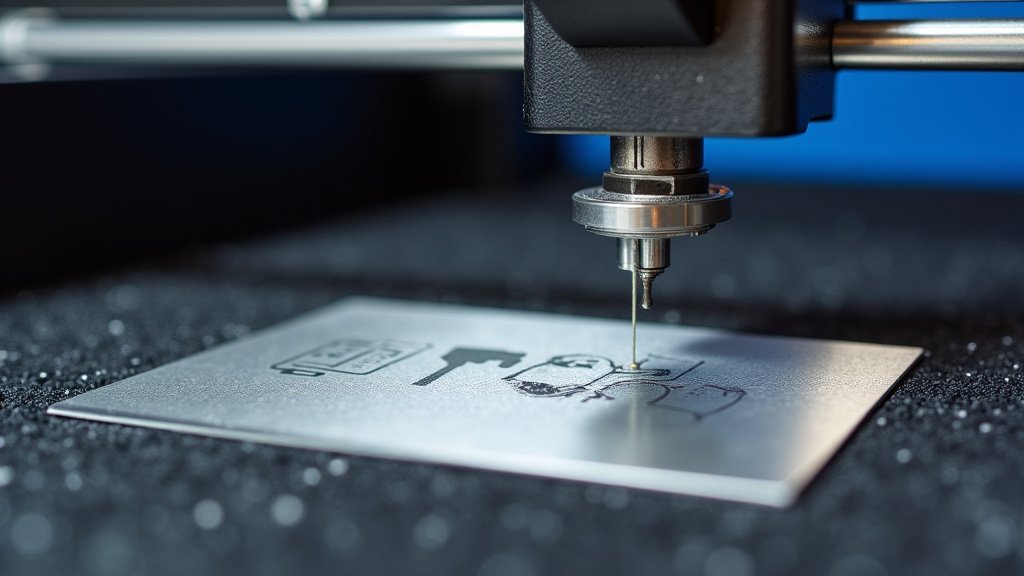
Fiber lasers, on the other hand, use solid-state technology to produce a beam. They typically operate at shorter wavelengths, making them far more effective at interacting with metals. If you want to engrave directly onto aluminum, stainless steel, brass, or titanium, a fiber laser is usually your best bet.
These lasers work by heating the metal surface to a point where it can be marked. This might involve melting the surface layer or creating an oxide layer that appears as a different color. They can also mark anodized aluminum and coated metals very effectively. For bare plastics and organic materials, fiber lasers are generally less effective.
Materials That Laser Engrave Beautifully
Let’s dive into the materials that typically respond well to laser engraving. Knowing these will help you plan your projects with confidence.
Wood and Wood Composites
Wood is a favorite for laser engravers, especially CO2 lasers. You can engrave on solid wood, plywood, MDF, and even wood veneer. The laser burns away a thin layer, creating a darkened, etched effect that looks fantastic. The darker the wood, the more contrast you’ll get. You can achieve everything from fine details on a cutting board to bold text on a sign.
Acrylic
Acrylic, often used for signage, awards, and displays, engrave exceptionally well with CO2 lasers. It tends to turn a frosty white color when engraved, offering a beautiful contrast. You can engrave deeply or lightly, depending on the look you want. Just be sure to use the correct settings, as acrylic can melt if overheated.
Leather and Faux Leather
Leather goods, from wallets and belts to bags and coasters, are perfect candidates for laser engraving. A CO2 laser can create crisp, permanent marks on both genuine and faux leather. The effect is typically a slight charring or darkening of the material, giving it an authentic, high-quality look. Different leather types will yield slightly different results.
Rubber and Stamps
Laser engraving is ideal for creating custom rubber stamps. CO2 lasers can precisely cut away the rubber, leaving raised letters or images that transfer ink perfectly. This process is much faster and more precise than traditional methods. Engraving on rubber sheets for seals or gaskets is also very common.
Glass and Coated Metals
While engraving directly on bare metal is a job for fiber lasers, CO2 lasers can effectively engrave on coated metals and glass. For glass, the laser doesn’t typically vaporize the material but instead creates micro-fractures in the surface, resulting in a frosted appearance. You can engrave on drinkware, mirrors, and glass awards. For metals, if they have a coating like paint or anodization, a CO2 laser can often remove that coating to reveal the metal beneath or create a contrast mark.
Anodized Aluminum
Anodized aluminum is a metal that has been treated to create a hard, protective oxide layer. Both CO2 and fiber lasers can engrave on it. A CO2 laser will typically ablate the colored anodized layer, revealing the silver aluminum underneath. A fiber laser can also mark anodized aluminum, sometimes creating different color effects depending on the laser’s power and settings. A CO2 laser will typically ablate the colored anodized layer, revealing the silver aluminum underneath; learn more about how to laser engrave anodized aluminum.
Materials That Require Caution or Are Not Suitable
Now, let’s talk about the materials that can be tricky or downright dangerous to laser engrave. Safety first, always!
Bare Metals (Without Fiber Laser)
As mentioned, bare, uncoated metals like stainless steel, aluminum, or brass are generally not well-engraved by CO2 lasers. The laser beam simply reflects off the surface, or the material requires far too much energy to mark effectively. Trying to engrave bare metal with a CO2 laser will likely yield no results or a very weak mark.
PVC and Vinyl (Chlorine-Containing Plastics)
This is a big one! Never laser engrave materials that contain chlorine, such as PVC, vinyl, or certain plastics. When these materials are hit by a laser, they release toxic chlorine gas. This gas is not only incredibly harmful to breathe but can also severely damage your laser engraver by corroding its internal components. Always check the material composition before engraving.
Polycarbonate (Lexan)
Polycarbonate, often known by the brand name Lexan, is another material that can be problematic. When lasered, it tends to melt and re-solidify rather than vaporize cleanly. This can result in a gummy, uneven surface and potentially damage your laser’s optics. Some specialized lasers can work with it, but it’s generally avoided by standard CO2 lasers.
Certain Foams and Rubber
While some foams and rubber are excellent for engraving, others can be problematic. Those made with certain chemicals or flame retardants can release hazardous fumes when lasered. Always research the specific type of foam or rubber you plan to use. If you’re unsure, it’s best to avoid it or test it in a well-ventilated area with a fume extraction system.
Materials That Simply Burn or Melt
Some materials just don’t engrave well because they tend to burn or melt without cleanly vaporizing. Think of soft plastics that become a gooey mess or certain types of paper that ignite rather than engrave. These often require very specific laser settings or are just not compatible with the laser engraving process. The result is usually messy and disappointing.
Material Testing: Your Best Friend in Laser Engraving
When in doubt, test, test, test! Before you commit your main project piece to the laser, always run a test on a scrap piece of the same material. This is your chance to experiment with different power levels, speeds, and frequencies.
You’ll learn how the material reacts to the laser. A good test can save you from ruining an expensive item. You’ll discover the optimal settings for a clean, crisp engrave. Many laser software programs allow you to set up small test patterns or boxes to quickly dial in your settings. It’s a crucial step for achieving professional results.
Safety First: Ventilation and Material Knowledge
Your health and the longevity of your laser engraver are paramount. Always ensure you have adequate ventilation when laser engraving. Fume extractors are highly recommended, especially when working with materials that might produce smoke or fumes. A good ventilation system removes harmful particles and gases from your workspace.
Beyond ventilation, knowing your material is key. Research what’s in the material before you engrave. If you buy a “mystery plastic” or an unknown composite, you’re taking a gamble. Reputable suppliers usually provide material data sheets or at least information about what you’re buying. Always err on the side of caution; if you suspect a material might be unsafe, do not engrave it.
Quick Checklist for Material Compatibility
To help you navigate the world of laserable materials, here’s a quick checklist:
- Know your laser type: CO2 for organic/non-metals, Fiber for metals.
- Wood, acrylic, leather: Usually great candidates.
- Avoid chlorine-based materials: PVC, vinyl are dangerous.
- Test on scraps: Always run tests before full projects.
- Ventilation is essential: Protect yourself from fumes.
- Research material composition: If unsure, don’t engrave it.
Conclusion
So, as you’ve learned, your laser engraver is a powerful tool, but it won’t work magic on absolutely every material. Understanding the science behind how lasers interact with different substances—like their heat resistance and composition—is your golden ticket to successful projects. Knowing whether you have a CO2 or Fiber laser is just as important, as each excels with different materials. Always remember to test your settings on scrap material and prioritize safety with proper ventilation.
Your next step? Grab that scrap piece of material and run a test! You’ve got this.
Frequently Asked Questions
Can I engrave on any plastic with my laser engraver?
You need to be very careful with plastics. While many plastics like acrylic engrave beautifully, you must avoid any materials containing chlorine, such as PVC or vinyl, as they release toxic fumes. Always research the specific plastic before attempting to engrave it.
What happens if I try to engrave a material my laser isn’t suited for?
Trying to engrave unsuitable materials can lead to poor results like melting, burning, or no mark at all. More importantly, some materials, especially chlorine-based ones, can release dangerous fumes that damage your laser engraver and pose serious health risks.
How do I know if a material is safe to laser engrave?
The best approach is to research the material’s composition beforehand. If you can’t find specific information, always err on the side of caution. If you suspect it might produce harmful fumes or react poorly to heat, it’s safer to avoid engraving it.
Why do some materials engrave white while others engrave dark?
The color of the engraved mark depends on how the material reacts to the laser’s heat. Some materials char or vaporize to a darker color, like wood. Others, like acrylic or anodized aluminum, have their surface layer altered to appear frosty white or a different color.
Is it really necessary to test on scrap material every time?
Yes, testing on scrap material is highly recommended for every project and material type. Different batches of the same material can behave slightly differently, and even minor variations in thickness or composition can affect the outcome. Testing allows you to fine-tune your laser settings for the best possible result.
