
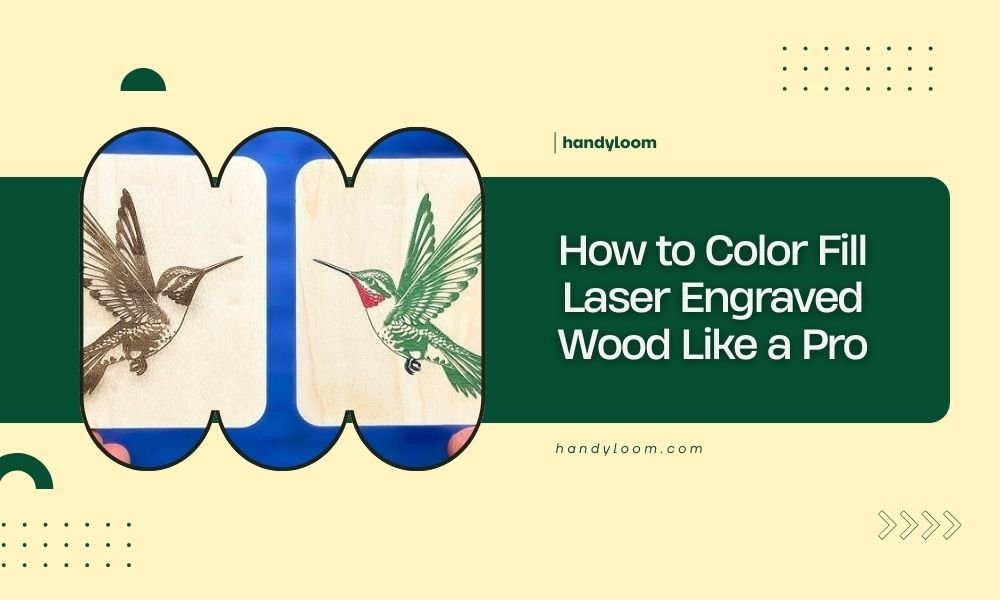
Color filling laser engraved wood requires cleaning the engraved areas first, then applying acrylic paint or wood stain with a small brush, and wiping away excess from the surface.
The key to professional-looking results is using the right paint consistency and taking your time with each step of the color fill process.
What You Need Before Starting
Getting your supplies ready makes the whole process smoother. You don’t want to stop halfway through because you’re missing something important.
Essential Materials for Color Filling
- Acrylic paint or wood stain in your chosen colors
- Small artist brushes (sizes 0-4 work best)
- Clean cotton rags or paper towels
- Toothpicks for detail work
- Fine-grit sandpaper (220-320 grit)
- Tack cloth or lint-free cloth
- Wood sealer or clear coat finish
Workspace Setup Tips
Set up your workspace with good lighting. Natural light works best, but a bright desk lamp will do fine. You need to see small details clearly.
Cover your work surface with newspaper or plastic. Color filling can get messy, even when you’re careful.
Preparing Your Engraved Wood
This step makes or breaks your final result. Skip the prep work, and your paint won’t stick properly.
Cleaning Out Debris
Laser engraving often leaves tiny wood particles and dust in the grooves. Use a soft brush or compressed air to clean these out completely.
I found that an old toothbrush works great for this. Brush gently along the grain to avoid scratching the surface.
Light Sanding for Better Adhesion
Lightly sand the engraved areas with fine-grit sandpaper. This creates tiny scratches that help paint stick better.
Don’t sand too hard. You just want to rough up the surface slightly.
Final Cleaning Step
Wipe down the entire piece with a tack cloth. This removes all dust and particles that could interfere with your paint job.
Choosing the Right Paint or Stain
Not all paints work the same on wood. Your choice affects both appearance and durability.
Acrylic Paint Benefits
Acrylic paint gives you bright, opaque colors that really pop against the wood. It dries fast and cleans up easily with water.
I researched different paint types and found that high-quality craft acrylics work better than cheap ones. They have better pigment density and flow more smoothly.
Wood Stain for Natural Looks
Wood stain penetrates deeper and gives a more natural appearance. It won’t hide the wood grain completely like paint does.
Gel stains work better than liquid stains for this technique. They’re thicker and less likely to run outside the engraved lines.
Color Selection Strategy
Choose colors that contrast well with your wood species. Light colors show up better on dark woods like walnut. Dark colors work great on lighter woods like maple or pine.
Step-by-Step Color Filling Process
Now comes the fun part. Take your time here. Rushing leads to messy results that look unprofessional.
Start with Thin Coats
Load your brush with a small amount of paint. Too much paint creates drips and overflow.
Apply paint directly into the engraved grooves. Work slowly and follow the engraved lines carefully.
Fill Deep Areas First
Focus on the deepest parts of your engraving first. These areas need more paint to fill completely.
Use a toothpick to push paint into tight corners and detailed areas. This gets paint where your brush can’t reach easily.
Managing Paint Flow
If paint flows outside the engraved lines, stop immediately. Wipe away the excess with a damp cloth before it starts to dry.
Professional Cleanup Techniques
This step separates amateur work from professional-looking results. You want clean, crisp lines with no paint bleeding.
Surface Wiping Method
Once you’ve filled all the engraved areas, wait about 5-10 minutes. The paint should still be wet but not runny.
Use a slightly damp cloth to wipe across the surface. This removes paint from the wood surface while leaving it in the grooves.
Detail Work with Toothpicks
Use a clean toothpick to clean up edges and remove paint from areas where it doesn’t belong.
Work quickly but carefully. Once acrylic paint starts to set, it becomes much harder to remove cleanly.
Multiple Coat Application
You might need two or three thin coats to get solid color coverage. Let each coat dry completely before applying the next one.
| Coat Number | Drying Time | What to Look For |
|---|---|---|
| First Coat | 30-45 minutes | Even coverage, no bare spots |
| Second Coat | 45-60 minutes | Solid color, good depth |
| Third Coat | 60+ minutes | Professional finish quality |
Common Problems and Quick Fixes
Everyone runs into issues when learning this technique. Here’s how to handle the most common problems.
Paint Bleeding Outside Lines
This happens when your paint is too thin or you apply too much at once. Mix in a tiny bit of paint thickener or use less paint on your brush.
Uneven Color Coverage
Some spots look lighter than others? This usually means the wood wasn’t clean or the engraving depth varies.
Sand those areas lightly and apply an extra coat of paint. Sometimes you need to accept that handmade work has natural variations.
Paint Not Sticking Well
If paint peels or chips easily, you probably didn’t prepare the surface properly. Strip the paint and start over with better cleaning and sanding.
Finishing and Protection
Your color fill work needs protection to last. A good finish also makes the colors look more vibrant.
Sealing the Paint
Apply a thin coat of clear wood sealer over the entire piece. This locks in your paint job and protects it from wear.
I found that water-based polyurethane works well and doesn’t yellow over time like oil-based finishes can.
Final Sanding Between Coats
Lightly sand with very fine sandpaper (400 grit) between finish coats. This creates a smooth, professional surface.
Don’t sand through your paint. Just scuff the surface lightly.
Multiple Finish Coats
Apply 2-3 coats of clear finish for best protection. More coats mean better durability, especially for items that get handled often.
Advanced Tips for Better Results
Ready to take your skills up a notch? These techniques help create truly professional-looking work.
Color Mixing for Custom Shades
Don’t limit yourself to colors straight from the bottle. Mix your own custom colors for unique results.
Start with small amounts when mixing. You can always make more, but you can’t unmix colors.
Gradient and Shading Effects
Try mixing different shades of the same color for depth. Apply darker colors first, then highlight with lighter shades.
This technique works especially well for letters and detailed designs.
Multi-Color Designs
Plan your color sequence before starting. Apply lighter colors first, then add darker ones. This prevents muddy color mixing.
Conclusion
Color filling laser engraved wood transforms simple projects into stunning finished pieces. The key is taking your time with each step and not rushing the process.
Start with simple projects to build your skills. As you get comfortable with the basic technique, try more complex color schemes and advanced effects. Remember that practice makes perfect, and each project teaches you something new about working with wood and paint.
Your patience and attention to detail will show in the final results. Soon you’ll be creating professional-quality pieces that look like they came from a high-end craft shop.
How long should I wait between applying paint coats?
Wait at least 30-45 minutes between thin coats of acrylic paint. Thicker applications may need 60-90 minutes. The paint should be completely dry to touch before adding another layer.
Can I use regular house paint instead of acrylic craft paint?
House paint is too thick and doesn’t flow well into small engraved details. Stick with acrylic craft paints or artist-quality acrylics for best results. They have better consistency for detail work.
What happens if I accidentally sand through my paint while finishing?
Stop sanding immediately and let the area dry completely. Clean it with a tack cloth, then carefully reapply paint to just that spot. Blend the edges so the repair isn’t obvious.
Should I seal the wood before or after color filling?
Apply sealer after color filling, not before. Pre-sealing prevents paint from adhering properly to the wood. Your color fill needs to bond directly with the wood surface for best durability.
How do I prevent paint from pooling in wide engraved areas?
Use less paint on your brush and work in sections. For wide areas, apply paint to one section, wipe the surface clean, then move to the next section. This prevents buildup and pooling.
