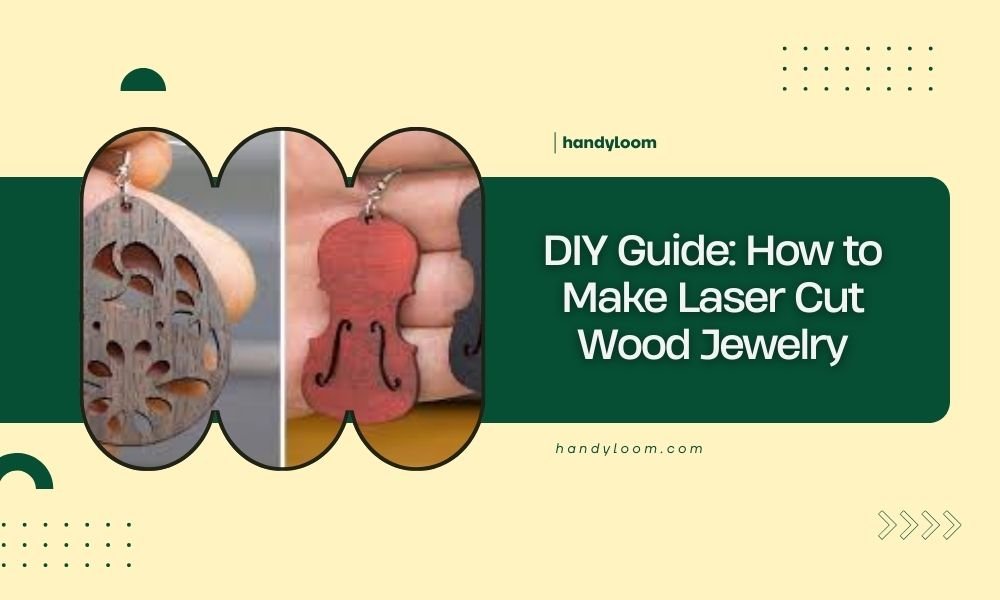
Laser cut wood jewelry combines precision technology with natural materials to create unique, lightweight accessories that you can customize completely to your style.
You’ll need a laser cutter, design software like Illustrator or Inkscape, and thin wood sheets (1-8mm thick) to start making your own wooden jewelry pieces at home.
What Makes Laser Cut Wood Jewelry Special
Wood jewelry feels different from metal or plastic accessories. It’s warm against your skin and carries natural grain patterns that make each piece one-of-a-kind.
Laser cutting gives you precision that’s impossible with hand tools. You can create tiny details, perfect circles, and complex patterns that would take hours to cut manually.
The best part? You control every aspect of the design process. Want a pendant shaped like your pet? Easy. Need earrings that match your favorite dress? Done.
Essential Materials for Your Project
Choosing the Right Wood
Thin wood sheets work best for jewelry. I found that 3mm birch plywood gives you strength without weight. Cherry and maple also laser cut beautifully.
Avoid resinous woods like pine. They can catch fire or produce toxic fumes when laser cut.
Wood Thickness Guide
- Earrings: 1-3mm (keeps them lightweight)
- Pendants: 3-6mm (adds durability)
- Bracelets: 2-4mm (flexible enough to bend slightly)
- Rings: 4-8mm (needs strength for daily wear)
Hardware and Findings
You’ll need jewelry findings to turn your wood pieces into wearable accessories. Stock up on jump rings, earring hooks, and necklace chains.
Most craft stores carry basic findings. Online suppliers offer more variety and better prices for bulk orders.
Design Software Basics
Free Options That Work Well
Inkscape handles most jewelry designs without costing you anything. It creates the vector files that laser cutters need.
Fusion 360 offers a free personal license. It’s more complex but gives you 3D modeling capabilities.
Design Tips for Success
Keep your first designs simple. Start with basic shapes before attempting complex patterns.
Think about how the piece will hang or sit. That beautiful design might look awkward when worn if you don’t consider weight distribution.
File Preparation Checklist
- Set line thickness to 0.001 inches for cutting paths
- Use different colors for different operations (cut vs engrave)
- Check that all shapes are closed paths
- Save as SVG or DXF format
Step-by-Step Creation Process
Setting Up Your Laser Cutter
Every laser cutter is different, but the basics stay the same. You need to set power, speed, and focus height correctly.
Start with your machine manufacturer’s recommended settings for your wood type. Write down what works so you can repeat successful cuts.
Safety First
Never leave your laser cutter unattended. Wood can catch fire if your settings are wrong.
Keep a spray bottle of water nearby. Good ventilation removes smoke and fumes from your workspace.
Your First Cut
Load your design file into the laser software. Position your wood sheet in the machine and set the focus.
Run a small test cut first. This saves material if your settings need adjustment.
Watch the entire cutting process. Stop immediately if you see flames or excessive smoking.
Finishing Techniques
Cleaning Up Cut Edges
Laser cutting sometimes leaves char marks on wood edges. Light sanding with 220-grit paper removes most discoloration.
A damp cloth wipes away sanding dust. Let the wood dry completely before applying any finish.
Protection and Enhancement
Natural wood needs protection from moisture and oils from your skin. A clear finish extends the life of your jewelry.
Polyurethane gives durable protection but changes the wood’s appearance. Tung oil soaks in and maintains the natural look.
Finishing Options Comparison
| Finish Type | Durability | Natural Look | Application |
|---|---|---|---|
| Polyurethane | High | Low | Brush or spray |
| Tung Oil | Medium | High | Wipe on |
| Beeswax | Low | High | Rub in |
Assembly and Hardware Installation
Drilling Holes for Findings
Small drill bits work better than trying to laser cut tiny holes for jump rings. A 1/16″ bit handles most jewelry findings.
Drill slowly to avoid splintering. Back your piece with scrap wood for clean exit holes.
Attaching Hardware
Jump rings connect your wood pieces to chains and ear wires. Open them sideways, not by pulling apart the ends.
This keeps the ring’s shape and makes it close properly. Pliers with smooth jaws won’t scratch your findings.
Common Problems and Solutions
Burn Marks and Charring
Too much laser power causes excessive burning. Reduce power settings or increase cutting speed.
Masking tape on your wood surface sometimes helps. Remove it immediately after cutting to prevent adhesive residue.
Incomplete Cuts
Check your focus height first. An unfocused beam won’t cut through properly.
Multiple light passes often work better than one heavy cut. This reduces heat buildup and burning.
Design Ideas for Beginners
Simple Geometric Shapes
Circles, triangles, and squares make elegant jewelry when you get the proportions right. Layer different sizes for visual interest.
Nature-Inspired Patterns
Leaf shapes show off wood grain beautifully. Tree silhouettes work well for pendants.
Keep details large enough to cut cleanly. Tiny branches might break during handling.
Size Guidelines for Wearability
- Earrings: 1-2 inches maximum length
- Pendants: 1-3 inches depending on chain length
- Bracelets: Size according to wrist measurement plus 1/2 inch
Advanced Techniques
Engraving Details
Your laser can engrave patterns into wood surfaces before cutting the outline. This adds texture and visual depth.
Use lower power settings for engraving. You want to mark the surface, not cut through it.
Multi-Layer Assembly
Cut matching shapes from different wood types. Glue them together for color contrast.
Sand the glued assembly smooth before applying finish. This creates seamless edges.
Care and Maintenance
Wood jewelry needs gentle care to last. Store pieces separately to prevent scratching.
Clean with a slightly damp cloth. Avoid soaking wood pieces in water or jewelry cleaning solutions.
Reapply oil finish yearly if you wear pieces regularly. This keeps the wood from drying out and cracking.
Conclusion
Making laser cut wood jewelry lets you create custom accessories that nobody else will have. Start with simple designs and basic wood types as you learn your equipment and develop your skills.
The combination of natural wood beauty and precise laser cutting opens up design possibilities limited only by your imagination. With practice, you’ll be creating professional-quality pieces that friends will want to buy from you.
How thick should wood be for laser cut jewelry?
Use 1-3mm wood for earrings to keep them lightweight, 3-6mm for pendants and bracelets for durability, and 4-8mm for rings that need extra strength for daily wear.
What’s the best wood type for beginners?
Birch plywood cuts cleanly and consistently, making it perfect for learning. Cherry and maple also work well but cost more than birch.
Can I make laser cut jewelry without owning a laser cutter?
Yes, many makerspaces and libraries offer laser cutter access for hourly fees. Some online services will cut your designs and mail the finished pieces to you.
How do I prevent my wood jewelry from breaking?
Choose appropriate thickness for each piece type, avoid designs with thin connecting areas, and apply a protective finish to strengthen the wood fibers.
What safety equipment do I need for laser cutting wood?
Use safety glasses rated for your laser wavelength, ensure proper ventilation to remove smoke and fumes, and keep fire extinguishing materials nearby when cutting.