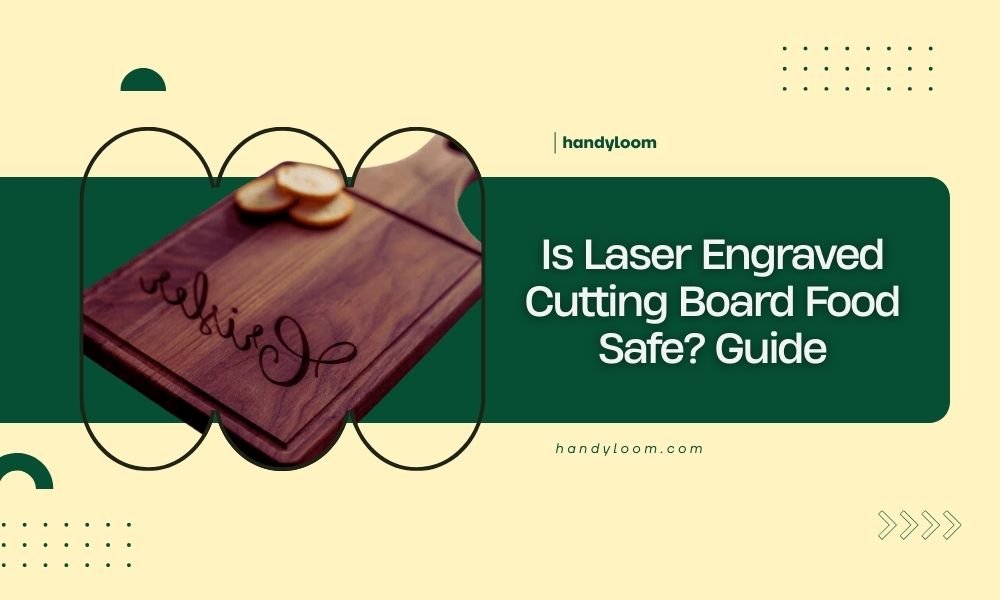
Yes, laser engraved cutting boards are food safe when properly sealed and maintained. The laser engraving process itself doesn’t make wood unsafe, but exposed grooves need proper sealing to prevent bacteria buildup.
Food-grade finishes like mineral oil or beeswax create protective barriers that keep your laser engraved cutting board safe for food prep. Regular maintenance keeps these boards hygienic and functional for years.
What Makes a Cutting Board Food Safe
Food safety comes down to preventing bacteria from growing on your cutting board surface. Wood naturally has antimicrobial properties, but any cuts or grooves can harbor harmful germs if not properly maintained.
The FDA considers hardwoods like maple, cherry, and walnut safe for food contact. These dense woods resist moisture better than softwoods. When you add laser engraving to the mix, you’re creating tiny valleys that need extra attention.
How Deep Engraving Affects Safety
Shallow engravings pose fewer safety risks than deep ones. Light surface marking barely penetrates the wood grain. Deep engravings create more hiding spots for bacteria and food particles.
Most decorative laser engravings only go about 1-2 millimeters deep. This depth is manageable with proper sealing and cleaning. Deeper artistic engravings might need more careful consideration for food contact areas.
Surface Texture Considerations
Smooth surfaces clean easier than textured ones. Laser engraving creates texture variations that can trap moisture and food debris. Your cleaning routine needs to account for these textured areas.
The Laser Engraving Process and Food Safety
Laser cutting uses concentrated heat to burn designs into wood. This process changes the wood structure slightly, creating charred edges in the engraved areas. The charring isn’t harmful, but it does affect how the wood absorbs moisture and oils.
I found that most commercial laser cutting services use CO2 lasers for wood projects. These lasers don’t leave chemical residues that would make food contact unsafe. The main concern is the physical changes to the wood surface.
Heat Effects on Wood Grain
Heat from laser engraving opens up wood pores along the engraved lines. This makes those areas more absorbent than the surrounding smooth wood. Without proper sealing, these open pores can absorb liquids and harbor bacteria.
The burned edges also create a slightly different texture. Some people worry this charred layer might flake off into food. In practice, properly executed laser engraving creates stable charred edges that don’t shed particles.
Chemical Concerns
Pure wood laser engraving doesn’t introduce harmful chemicals. Problems can arise if the wood has been treated with unsafe finishes before engraving. Always start with food-safe lumber or unfinished cutting boards.
Best Wood Types for Laser Engraved Food Boards
Hardwoods work best for laser engraved cutting boards. They engrave cleanly and resist moisture damage better than soft woods. Here’s what I found works well:
- Maple: Dense grain, light color shows engravings clearly
- Cherry: Beautiful color, moderate hardness, food-safe
- Walnut: Dark color, excellent for contrast, naturally antimicrobial
- Oak: Very hard, durable, but open grain needs extra sealing
- Bamboo: Technically grass, not wood, but laser engraves well and resists bacteria
Woods to Avoid
Some woods aren’t suitable for food contact even without laser engraving. Avoid these for any food preparation surface:
- Cedar and other aromatic woods (too much natural oil)
- Pine and softwoods (too porous, splinter easily)
- Treated lumber (chemicals not food-safe)
- Unknown wood species (potential toxicity)
Grain Direction Matters
End grain cutting boards are gentler on knives but harder to keep clean in engraved areas. Edge grain boards clean more easily but may show knife marks more readily. Consider how you’ll use the board when choosing grain orientation.
Proper Sealing Techniques
Sealing your laser engraved cutting board is the most important step for food safety. The sealant fills the engraved grooves and creates a barrier against moisture and bacteria.
Food-grade mineral oil is the most common sealant. It penetrates wood fibers and doesn’t go rancid like cooking oils. Apply thin coats and let each one soak in completely before adding more.
Application Process
Clean the board thoroughly before sealing. Sand lightly with fine-grit paper if needed. Wipe away all dust with a damp cloth and let it dry completely.
Apply mineral oil with a clean cloth, working it into the engraved areas. Pay extra attention to the grooves where laser cutting exposed fresh wood. Let the oil soak in for several hours or overnight.
Multiple Coat Strategy
Plan on three to four initial coats for a new laser engraved board. Each coat should penetrate fully before applying the next. The wood will stop absorbing oil when it’s properly saturated.
Beeswax Finishing
Pure beeswax or mineral oil-beeswax blends provide extra protection. The wax creates a harder surface that resists water penetration. Mix about 4 parts mineral oil to 1 part beeswax for a good working consistency.
Warm the mixture slightly to make application easier. Rub it into the wood grain and engraved areas. Buff with a clean cloth after it cools and hardens.
Cleaning and Maintenance
Regular cleaning keeps laser engraved cutting boards safe for food prep. The engraved grooves need special attention during washing to remove trapped food particles.
Wash with hot soapy water after each use. Use a brush or scrub pad to clean the engraved areas thoroughly. Rinse well and dry immediately to prevent water damage.
Deep Cleaning Methods
Weekly deep cleaning helps maintain food safety. Make a paste with coarse salt and lemon juice. Scrub this into the board surface and engraved areas. Let it sit for a few minutes, then rinse and dry.
White vinegar also works for deep cleaning. Wipe the board down with undiluted vinegar and let it sit for 5-10 minutes. Rinse thoroughly and dry completely.
What to Avoid
Never put laser engraved wooden cutting boards in the dishwasher. The high heat and moisture will damage the wood and finish. Avoid soaking the board in water for extended periods.
Don’t use bleach or harsh chemical cleaners. These can damage the wood and leave residues that aren’t food-safe. Stick to natural cleaning methods and food-safe products.
Re-oiling Schedule
Plan to re-oil your cutting board monthly with regular use. The wood will look dry and feel rough when it needs more oil. Engraved areas often need oil more frequently than smooth surfaces.
| Usage Level | Re-oiling Frequency | Signs Oil is Needed |
|---|---|---|
| Daily use | Every 2-3 weeks | Wood looks dry, water soaks in quickly |
| Weekly use | Monthly | Surface feels rough, color fades |
| Occasional use | Every 2-3 months | Wood fibers start to raise |
Common Safety Concerns
Many people worry about specific safety issues with laser engraved cutting boards. Let me address the most common concerns I hear about.
Bacteria in Grooves
Properly sealed and maintained engraved grooves don’t harbor more bacteria than knife cuts. Research from food safety experts shows that well-maintained wood surfaces resist bacterial growth better than many plastic alternatives (USDA).
The key is keeping the grooves clean and properly sealed. Bacteria need moisture and nutrients to grow. Good maintenance removes both.
Mold Growth
Mold can grow in any moist environment, including poorly maintained cutting boards. Engraved areas aren’t more prone to mold unless they stay wet. Proper drying after washing prevents mold issues.
Char Particle Concerns
Some people worry about charred wood particles getting into food. Quality laser engraving creates stable charred edges that don’t flake off. Light sanding after engraving removes any loose particles.
If you’re concerned, sand the engraved areas lightly with 220-grit sandpaper before sealing. This smooths any rough edges without removing the design detail.
Professional vs DIY Safety Standards
Commercial laser cutting services often follow food safety protocols that home users might miss. They use proper ventilation, clean equipment, and food-safe materials.
If you’re doing DIY laser engraving, make sure your workspace is clean and your materials are food-safe. Use proper ventilation to remove smoke and particles during cutting.
Equipment Considerations
Clean laser equipment produces cleaner cuts with fewer particles. Dirty or poorly maintained lasers can create rough, uneven engraving that’s harder to keep clean.
Professional-grade CO2 lasers typically produce the cleanest results for wood engraving. Diode lasers work but may create more charring and rough edges.
When to Replace Your Board
Even well-maintained cutting boards eventually need replacement. Deep knife cuts, permanent stains, or persistent odors signal it’s time for a new board.
Engraved boards might show wear in the design areas first. If the grooves become too deep to clean properly, or if the sealant won’t adhere anymore, consider replacement.
Warning Signs
Replace your laser engraved cutting board if you notice:
- Cracks that won’t close with oiling
- Persistent bad smells after cleaning
- Mold growing in engraved areas
- Wood becoming soft or spongy
- Finish that won’t adhere to the surface
Conclusion
Laser engraved cutting boards can be completely food safe with proper care and maintenance. The engraving process itself doesn’t create safety hazards, but it does require attention to sealing and cleaning. Choose appropriate hardwoods, seal them properly with food-grade finishes, and maintain a regular cleaning schedule. With these practices, your custom laser engraved cutting board will serve you safely for years while adding personal style to your kitchen.
Can I use any type of oil to seal my laser engraved cutting board?
No, only use food-grade mineral oil or specialized cutting board oils. Cooking oils like olive oil or vegetable oil will go rancid and create food safety issues. Mineral oil stays stable and won’t spoil over time.
How deep can laser engraving go while still being food safe?
Keep decorative engraving to 2-3 millimeters deep maximum for food contact areas. Deeper engraving creates more places for bacteria to hide and becomes harder to clean thoroughly. Shallow engraving is both safer and more practical.
Is it safe to cut raw meat on a laser engraved cutting board?
Yes, but use extra caution with cleaning afterward. Clean the engraved grooves thoroughly with hot soapy water and sanitize with white vinegar. Consider having separate boards for raw meat and other foods to prevent cross-contamination.
Can I put my laser engraved cutting board in the dishwasher?
Never put wooden cutting boards in the dishwasher, engraved or not. The high heat and prolonged moisture exposure will crack the wood, strip the finish, and potentially harbor bacteria in the damaged areas. Always hand wash and dry immediately.
What should I do if my laser engraved cutting board develops an odor?
Clean it with a salt and lemon paste, let it sit for 10 minutes, then rinse and dry. For persistent odors, try white vinegar treatment. If odors continue after deep cleaning and re-oiling, the board may need replacement as bacteria could be growing in the wood.