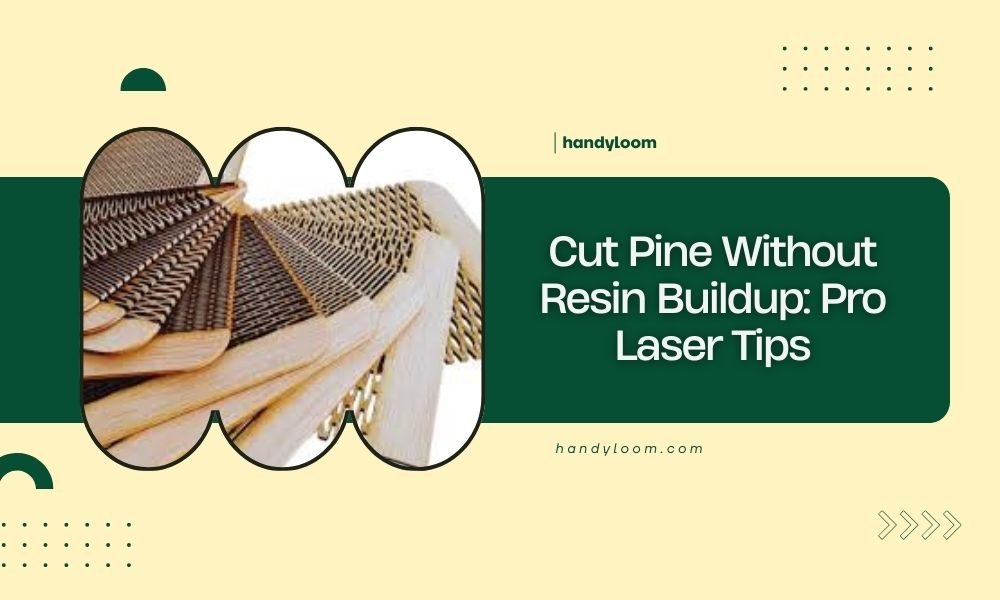
To cut pine without resin buildup on your laser, use lower power settings and faster cutting speeds to minimize heat that activates pine resin.
Regular cleaning between cuts and proper air assist pressure help prevent sticky resin from accumulating on your laser head and cutting bed.
Why Pine Creates Resin Problems for Laser Cutters
Pine wood contains natural resin pockets that turn gooey when heated. Your laser beam creates intense heat, which melts this resin instantly. The sticky mess then coats your lens, mirrors, and cutting surface.
I researched laser cutting forums and found that resin buildup is the top complaint when working with softwoods. The resin acts like glue, attracting dust and debris that can damage your equipment.
What Makes Pine Different from Other Woods
Pine has more resin channels than hardwoods like oak or maple. These channels run through the entire piece, not just the surface. When you cut, you’re slicing through multiple resin pockets at once.
Think of it like cutting through a honeycomb filled with syrup. Each cell releases its sticky contents when opened.
Best Laser Settings for Clean Pine Cuts
Your laser settings make the biggest difference in resin management. I found that many laser operators use too much power, which creates unnecessary heat.
Power Settings That Work
Start with 60-70% power instead of full blast. Lower power reduces heat buildup while still cutting through the wood cleanly.
Test cuts on scrap pieces help you find the sweet spot for your specific laser and pine thickness. Each machine behaves differently.
Speed vs Power Balance
Faster cutting speeds prevent the laser from dwelling too long in one spot. Try 15-20 mm/second for 6mm pine boards.
The goal is to cut quickly enough that resin doesn’t have time to heat up and become sticky.
Air Assist Configuration
Strong air assist pressure blows away resin vapor before it can condense on surfaces. Set your air pressure to maximum safe levels for your machine.
Position the air nozzle close to the cutting surface. The airflow should hit the cut line directly, not at an angle.
Air Flow Direction Matters
Direct the air flow to push smoke and vapor away from your laser head. You want contamination flowing toward your exhaust system, not circulating around your optics.
Material Preparation Techniques
How you prepare your pine before cutting affects resin behavior during the process.
Choosing the Right Pine Grade
Clear grade pine has fewer knots and resin pockets than construction lumber. It costs more but creates less mess during cutting.
Avoid pine with visible resin streaks or sticky areas. These pieces will cause problems no matter how you cut them.
Moisture Content Impact
Dry pine (8-12% moisture) cuts cleaner than fresh lumber. Wet wood creates steam that mixes with resin to form a gummy paste.
Store your pine in a dry location for at least two weeks before cutting. A moisture meter helps you check readiness.
Surface Masking Methods
Apply masking tape to both sides of your pine before cutting. The tape catches resin and prevents it from bonding to the wood surface.
Remove the tape immediately after cutting, while the resin is still warm and pliable.
Cleaning Strategies During Cutting
Regular cleaning prevents small amounts of resin from building into major problems.
Between-Cut Maintenance
Wipe your cutting bed with isopropyl alcohol every 3-4 cuts. This removes resin before it hardens completely.
Check your laser head lens after every few pieces. A small amount of resin on the lens can ruin your next cut.
Quick Cleaning Tools
- Cotton swabs for detailed cleaning
- Microfiber cloths for large surfaces
- Lens cleaning solution for optics
- Plastic scrapers for stubborn buildup
Exhaust System Management
Your exhaust fan pulls resin vapor through the system. Clean the exhaust filters more often when cutting pine.
Clogged filters reduce airflow, which allows more resin to settle on your equipment instead of being removed.
Advanced Techniques for Resin Control
Professional laser operators use several tricks to minimize pine cutting problems.
Multiple Pass Strategy
Instead of one deep cut, use 2-3 lighter passes. Each pass removes some material and resin, making the next pass cleaner.
This technique works especially well on thick pine pieces where resin concentration is high.
Pass Spacing Timing
Allow 30-60 seconds between passes. This cooling time lets resin vapor clear and prevents heat accumulation.
Cooling Breaks
Take regular breaks during long cutting sessions. Turn off the laser for 5 minutes every 30 minutes of pine cutting.
This prevents your entire machine from heating up, which makes resin problems worse.
Troubleshooting Common Resin Issues
Even with perfect technique, you might encounter resin problems. Here’s how to handle them.
Lens Contamination Solutions
If resin gets on your lens, stop cutting immediately. Clean the lens with appropriate solvents before continuing.
A contaminated lens can crack from uneven heating. Replacement lenses cost much more than cleaning supplies.
Safe Cleaning Solvents
Use only lens-safe cleaning solutions. Isopropyl alcohol works for light contamination. Specialized lens cleaners handle stubborn resin buildup.
Cutting Bed Restoration
Heavy resin buildup on your cutting bed affects material positioning and cut quality. Clean it thoroughly between projects.
Warm, soapy water dissolves pine resin better than cold solvents. Scrub gently to avoid scratching the bed surface.
| Problem | Cause | Solution |
|---|---|---|
| Smoky cuts | Insufficient air assist | Increase air pressure |
| Rough edges | Too much heat | Lower power, increase speed |
| Sticky residue | Slow cutting speed | Increase cutting speed |
| Lens fogging | Poor ventilation | Check exhaust system |
Equipment Maintenance for Pine Cutting
Regular maintenance prevents small resin problems from becoming expensive repairs.
Daily Cleaning Routine
Clean all surfaces that contacted pine resin at the end of each cutting session. Resin hardens overnight and becomes much harder to remove.
Pay special attention to your laser head, cutting bed, and exhaust intake areas.
Weekly Deep Cleaning
Remove and clean your exhaust filters weekly when cutting pine regularly. Replace filters that can’t be cleaned effectively.
Check all moving parts for resin accumulation that might affect motion accuracy.
Alternative Materials and Methods
Sometimes avoiding resin problems means choosing different materials or cutting methods.
Pine Alternatives
Baltic birch plywood gives you a light color similar to pine without the resin issues. Poplar and basswood are other low-resin options.
These alternatives cost more but save time on cleaning and maintenance.
Pre-Treatment Options
Some woodworkers seal pine with thin shellac before laser cutting. The shellac burns away cleanly and prevents resin from reaching the laser beam.
Test this method on scraps first. Some sealers create their own cutting problems.
Conclusion
Cutting pine without resin buildup requires the right combination of laser settings, preparation, and maintenance. Lower power settings, faster cutting speeds, and strong air assist form the foundation of clean pine cutting.
Regular cleaning between cuts prevents small resin deposits from becoming major problems. When you combine proper technique with consistent maintenance, pine can be just as manageable as any other laser cutting material.
Remember that every laser machine behaves differently with pine. Start with these guidelines and adjust based on your specific equipment and material. Keep detailed notes about what works best for your setup.
Can I cut pine immediately after purchasing it from the lumber store?
Fresh lumber often has high moisture content that makes resin problems worse. Let pine acclimate to your workshop for 1-2 weeks before cutting. Use a moisture meter to check that levels are below 12% for best results.
What’s the best way to remove hardened resin from my laser head?
Warm isopropyl alcohol softens hardened pine resin. Apply it with cotton swabs and let it sit for 2-3 minutes before gently wiping away. For stubborn buildup, specialized lens cleaning solutions work better than household solvents.
Does the direction of wood grain affect resin buildup during cutting?
Cutting across the grain tends to open more resin pockets than cutting with the grain. Plan your design orientation to minimize cross-grain cuts when possible. This reduces the total amount of resin released during cutting.
How often should I replace my exhaust filters when cutting pine regularly?
Pine cutting clogs exhaust filters 2-3 times faster than hardwoods. Check filters weekly and replace them when cleaning no longer restores proper airflow. Poor exhaust makes resin problems much worse by reducing vapor removal.
Can I use water-based solutions to clean pine resin from my equipment?
Pine resin dissolves better in alcohol-based solvents than water. However, warm soapy water works well for cutting bed cleanup where electronics aren’t involved. Always disconnect power and avoid getting moisture near electrical components when cleaning.