
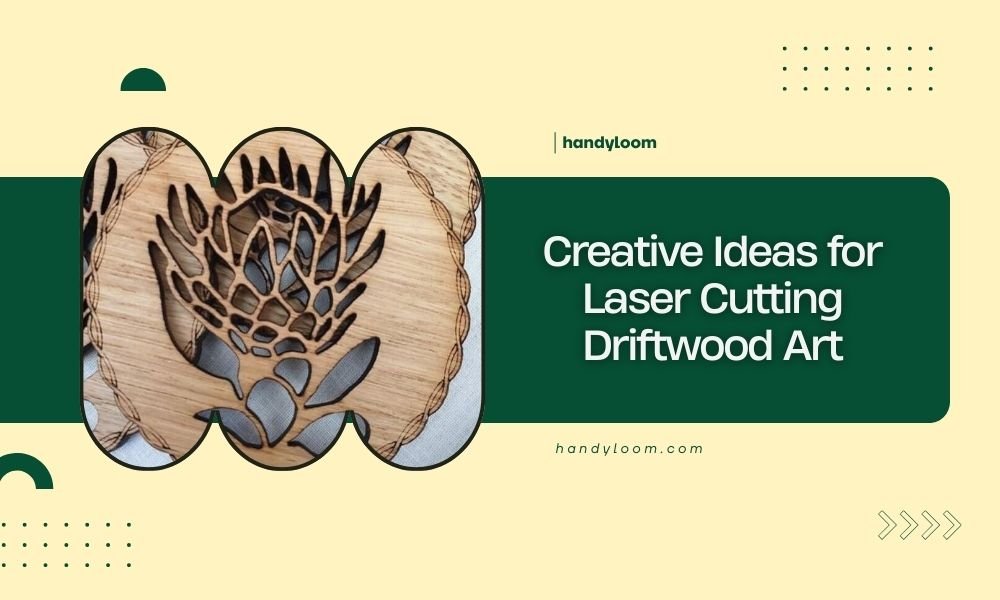
Laser cutting driftwood creates stunning art pieces by combining natural beauty with precise technology, offering endless creative possibilities for both beginners and experienced crafters.
The key to successful driftwood laser cutting lies in proper wood preparation, choosing the right settings, and selecting designs that complement the wood’s natural grain and weathered character.
Why Driftwood Makes Perfect Laser Cutting Material
Driftwood brings something special to your laser cutting projects. The ocean has already done half the work for you. Salt water and sand create unique textures and patterns you can’t find in regular lumber.
I found that weathered driftwood cuts cleanly because it’s naturally dried and hardened. The varied grain patterns add character to every piece you create. Plus, you’re giving beach waste a second life as beautiful art.
Natural Advantages of Beach-Weathered Wood
Salt-soaked wood develops interesting color variations. Light grays blend with warm browns and silver streaks. This natural palette works with almost any design style.
The texture feels smooth yet organic. Your fingers can trace the waves’ handiwork across each piece.
Cost-Effective Material Source
Beach combing costs nothing but your time. You get free materials while enjoying fresh ocean air. That’s a win-win situation for any crafter on a budget.
Just remember to check local regulations. Some beaches protect certain types of wood or limit collection amounts.
Essential Preparation Steps Before Cutting
Raw driftwood needs attention before it meets your laser. Proper prep work prevents equipment damage and ensures clean cuts every time.
Cleaning Your Driftwood Thoroughly
Start with a stiff brush to remove sand and debris. Rinse with fresh water to wash away salt crystals. Salt can cause your laser to behave unpredictably.
Let pieces air dry completely. Moisture creates steam during cutting, which leads to rough edges and potential fire hazards.
Testing Wood Density and Hardness
Not all driftwood cuts the same way. Soft pine behaves differently than dense oak. Run small test cuts first to find the right power and speed settings.
I researched various forums and found that most crafters start with 50% power and medium speed, then adjust from there.
Simple Hardness Test Method
Press your thumbnail into the wood. If it leaves a mark easily, use lower power settings. Hard woods that resist your nail need more power and slower speeds.
Creative Design Ideas for Different Skill Levels
Your skill level shouldn’t limit your creativity. Here are projects that work for everyone, from first-time users to laser cutting veterans.
Beginner-Friendly Projects
Start simple and build confidence. These projects teach basic techniques without overwhelming complexity.
Ocean-Themed Coasters
Cut simple wave patterns or sea creatures into flat driftwood pieces. Sand smooth and seal with food-safe finish. You’ll have unique coasters that tell stories of ocean adventures.
Personalized Keychains
Small driftwood pieces work perfectly for custom keychains. Engrave names, dates, or simple designs. Drill a hole for the key ring and you’re done.
Intermediate Creative Projects
Ready for something more challenging? These projects add complexity while staying manageable.
Layered Wall Art
Cut multiple pieces that fit together like puzzle pieces. Different wood thicknesses create depth and shadow play. Mount on contrasting backgrounds for dramatic effect.
Functional Storage Boxes
Design interlocking joints to create small boxes. The natural wood edges hide imperfect cuts better than straight lumber. Perfect for jewelry or small treasures.
Advanced Artistic Creations
Experienced crafters can push boundaries with these complex projects.
3D Sculptural Pieces
Combine multiple cut pieces into three-dimensional sculptures. Plan your design carefully – driftwood shapes limit your options compared to regular lumber.
Intricate Lighting Features
Cut detailed patterns that create beautiful shadows when backlit. LED strips work great with driftwood’s natural translucency in thinner sections.
Technical Settings for Different Driftwood Types
Each wood species needs different laser settings. Getting this right saves time and prevents material waste.
| Wood Type | Power Setting | Speed Setting | Passes Needed |
|---|---|---|---|
| Pine (Soft) | 40-60% | Medium-Fast | 1-2 |
| Oak (Hard) | 70-85% | Slow-Medium | 2-3 |
| Cedar (Medium) | 55-70% | Medium | 1-2 |
Adjusting for Wood Thickness
Thick pieces need more power or multiple passes. Thin sections cut easily but can burn if settings are too high. Always test on scraps first.
Safety Considerations for Beach Wood
Beach wood brings unique safety challenges. Salt residue and unknown contaminants require extra precautions.
Ventilation Requirements
Driftwood smoke can contain more irritants than regular lumber. Ensure your exhaust system works properly. Consider wearing a respirator during longer cutting sessions.
Research from woodworking safety experts suggests treating all unknown wood as potentially harmful until proven otherwise.
Fire Prevention Steps
Salt makes some woods burn differently. Keep water nearby and never leave your laser unattended. Clean your laser bed frequently to prevent buildup.
Finishing Techniques for Natural Appeal
The right finish protects your art while maintaining driftwood’s natural character.
Clear Protective Coatings
Marine-grade polyurethane works well for pieces that might see moisture. For indoor art, simple paste wax lets the wood breathe while adding subtle protection.
Color Enhancement Options
Light stains can bring out hidden grain patterns. Danish oil darkens the wood slightly while maintaining the natural feel. Test on scraps – you can’t undo stain easily.
Displaying Your Driftwood Laser Art
Great art deserves thoughtful presentation. How you display pieces affects their visual impact.
Lighting Considerations
Natural light shows driftwood’s texture best. If using artificial light, warm LEDs complement the wood tones better than cool white bulbs.
Background Selection
Dark backgrounds make light driftwood pop. White walls work well with darker, more weathered pieces. Consider the room’s existing colors when planning your display.
Conclusion
Laser cutting driftwood opens up a world where technology meets nature’s artistry. You get to transform beach treasures into personalized masterpieces that carry stories of ocean adventures. Start with simple projects to learn how your laser handles this unique material, then let your creativity guide you toward more complex designs. Remember that each piece of driftwood is different, so embrace the imperfections and unexpected results – they often lead to your most beautiful creations.
What type of driftwood works best for laser cutting?
Hardwoods like oak and maple that have been weathered for several years work best. They cut cleanly and hold fine details better than soft woods. Avoid pieces with visible rot, metal inclusions, or excessive salt buildup.
How do I remove salt from driftwood before cutting?
Soak pieces in fresh water for 24-48 hours, changing the water twice. Scrub with a stiff brush and rinse thoroughly. Let dry completely for at least a week in a well-ventilated area before cutting.
Can I sell laser-cut driftwood art legally?
Yes, but check local beach collection regulations first. Some areas restrict commercial collection or require permits. Once you legally obtain the wood and create your art, you can sell it like any other handmade craft item.
What laser power do I need for thick driftwood pieces?
For pieces over 1 inch thick, you’ll need at least 80-100 watts of laser power. Thicker pieces may require multiple passes even with high power. Consider resawing very thick pieces to more manageable sizes.
How do I prevent driftwood from cracking during cutting?
Use slower cutting speeds and lower power settings with multiple passes. Ensure the wood is completely dry before cutting. Support longer pieces properly to prevent stress fractures, and cut with the grain direction when possible.
