
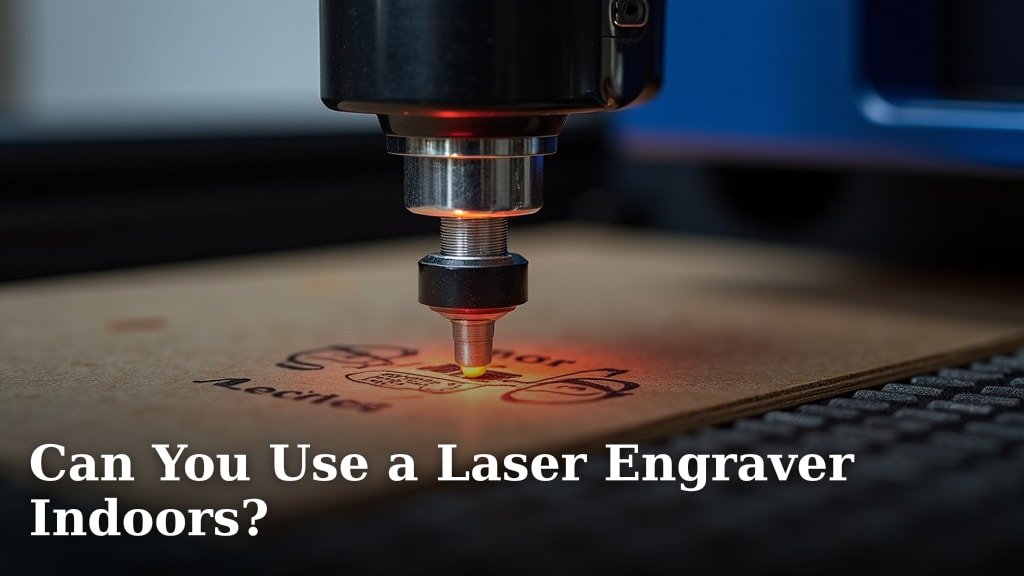
Yes, you can use a laser engraver indoors, but you absolutely must have a robust ventilation system in place to protect your health and keep your home safe. Without proper ventilation, dangerous fumes and particles can build up quickly.
You might be wondering if a small craft laser is different from an industrial one; the safety needs are similar for any laser engraving activity indoors. Many experts emphasize that managing the airborne byproducts is the most critical indoor safety concern. Failing to do so can lead to health issues.
- Indoor laser engraving is possible with precautions.
- Strong ventilation is non-negotiable for safety.
- Fumes and particles are the primary risks.
- Even small engravers require good air filtration.
Let’s walk through exactly how to safely set up and use a laser engraver in your indoor space, making sure you understand all the necessary steps.
Safely Operating a Laser Engraver Indoors: What You Need to Know
You can absolutely use a laser engraver inside your home or workshop, but it’s not as simple as plugging it in and pressing start. The main challenge? Managing the byproducts. Laser engraving creates fumes, smoke, and tiny particles that are harmful if inhaled. Your safety depends on how well you control these.
Understanding the Hazards of Indoor Laser Engraving
Before you even think about hitting the “engrave” button, you need to understand what you’re dealing with. It’s more than just a bad smell. When a laser beam interacts with materials, it causes them to heat up rapidly, vaporize, and sometimes burn. This process releases a mix of gases and microscopic particles into the air.
The Airborne Byproducts: Fumes and Particulates
Think of it like a tiny, super-fast combustion reaction. The materials you engrave – wood, acrylic, leather – each release different chemical compounds. Some are relatively benign, but many are toxic, irritating, or carcinogenic. We found that even common materials like plywood can release formaldehyde and volatile organic compounds (VOCs) when engraved (National Institute for Occupational Safety and Health, NIOSH).
- Smoke: This is visible, but often contains invisible hazardous gases.
- Fine Particulates: These are tiny solid particles that can bypass your body’s natural defenses and lodge deep in your lungs.
- Volatile Organic Compounds (VOCs): Gaseous chemicals that can cause respiratory issues, headaches, and other health problems.
Immediate and Long-Term Health Risks
Ignoring proper ventilation isn’t just about unpleasant odors; it’s about your health. In the short term, you might experience eye irritation, coughing, or even headaches. In the long term, repeated exposure to these airborne hazards can lead to more serious conditions like asthma, bronchitis, or even certain cancers. Many experts say that respiratory protection is key for anyone working with laser engravers indoors.
Your Non-Negotiable Safety Solution: Ventilation
This is where the rubber meets the road. If you’re going to engrave indoors, you need a ventilation system. There are no shortcuts here. Without it, you’re essentially turning your craft space into a hazardous environment. A good system will pull the harmful byproducts away from your engraver and filter them, or exhaust them safely outside.
Types of Ventilation Systems for Indoor Use
You have a few main options, each with its own pros and cons. The best choice depends on your budget, space, and the materials you plan to engrave.
| Ventilation Type | How It Works | Best For | Considerations |
|---|---|---|---|
| External Exhaust (Ducting) | Pulls fumes from the engraver and ducts them directly outside. | Garages, sheds, dedicated workshops with outside access. | Requires a window or wall penetration. Less effective for very fine particles. |
| Activated Carbon Filter System | Uses activated carbon to absorb gases and odors, recirculating air. | Apartments, small spaces where external venting is not possible. | Filters need regular replacement. Does not remove all particles. |
| HEPA Filter System | Traps very fine airborne particles, often used with carbon filters. | Removing tiny solid particles from the air. | Often combined with carbon filters for comprehensive air cleaning. Filters are expensive. |
| Integrated Filter System (Fume Extractor) | A self-contained unit with multiple filter stages (pre-filter, HEPA, carbon). | Any indoor setting, offers comprehensive protection. | Most effective and expensive. Requires filter maintenance. |
Choosing and Installing Your System
When selecting a system, think about the volume of air it can process. You’ll want one that matches the cubic feet per minute (CFM) rating recommended for your laser engraver size and the materials you’re using. We found that many manufacturers provide CFM guidelines for their machines. Installation often involves connecting a hose from your engraver’s exhaust port to your chosen ventilation unit or window kit. Make sure all connections are airtight to prevent leaks.
Beyond Ventilation: Other Essential Safety Measures
While ventilation is paramount, it’s not the only piece of the safety puzzle. There are other important steps you need to take to create a safe indoor engraving environment. These measures protect you from laser hazards, fire risks, and other potential dangers.
Fire Safety and Prevention
Laser engraving involves intense heat, and sometimes, things can catch fire. You’re working with combustible materials like wood and paper. Always have a fire extinguisher rated for Class B and C fires within easy reach. Never leave your engraver unattended while it’s operating. A small flare-up can become a big problem in seconds. Keep your workspace clean and free of flammable clutter, too.
Personal Protective Equipment (PPE)
Your eyes and hands also need protection. Laser light, even reflected light, can cause permanent eye damage. You need specialized laser safety glasses that are specific to the wavelength of your laser. Standard safety glasses won’t cut it. Wear gloves if you’re handling materials that might have splinters or sharp edges. When cleaning, consider a respirator, even with good ventilation, to protect against residual dust.
Safe Workspace Setup
Think about where your engraver sits. Choose a sturdy, non-flammable surface. Ensure there’s plenty of space around the machine for airflow and easy access. Keep children and pets away from the engraving area. Many experts recommend a “laser zone” where access is restricted during operation. Make sure your electrical outlets are properly grounded and can handle the engraver’s power draw. Overloaded circuits are a fire hazard.
Regular Maintenance for Ongoing Safety
Just like your car needs oil changes, your laser engraver and its safety systems need routine care. Neglecting maintenance can compromise your safety over time. This isn’t just about keeping your machine running well; it’s about keeping you safe.
Cleaning Your Engraver and Filters
Dust, debris, and residue will build up inside your engraver. This can be a fire hazard and reduce the machine’s efficiency. Clean the lens, mirrors, and bed regularly according to your manufacturer’s instructions. If you’re using a filter system, replace those filters on schedule. A clogged filter is an ineffective filter, and that means poor air quality for you.
Checking for Leaks and Damage
Periodically inspect your ventilation hoses and connections. Are there any cracks or loose fittings? Even small leaks can allow harmful fumes into your indoor air. Check your laser safety glasses for scratches or damage. Any compromise means they might not protect your eyes fully. Make these checks part of your routine before each engraving session, or at least weekly.
Materials You Can and Cannot Engrave Indoors
Not all materials are created equal when it comes to indoor engraving safety. Some materials produce far more dangerous fumes than others, making them unsuitable for indoor use even with a good ventilation system. When in doubt, research the material or engrave it outdoors if possible.
Safe(r) Materials for Indoor Engraving
Generally, natural materials like untreated wood, bamboo, and certain types of paper are safer. They still produce smoke and particles, but the chemical byproducts are often less toxic than plastics. We found that engraving materials with a low VOC content is always a better choice for indoor environments. Consider engraving these materials:
- Untreated Wood (plywood, birch, maple)
- Bamboo
- Paper and Cardboard
- Natural Leather (check for finishes that might contain hazardous chemicals)
- Anodized Aluminum (no fumes, but watch for metal dust)
Materials to Absolutely Avoid Indoors (or Entirely)
There are some materials you should never engrave indoors. Some are even dangerous to engrave at all, regardless of ventilation. For example, PVC (polyvinyl chloride) releases chlorine gas when heated, which can form hydrochloric acid when it mixes with moisture in your lungs. This is extremely hazardous. Similarly, certain foams and plastics can release cyanide gas. Avoid these materials:
- PVC (Polyvinyl Chloride): Releases toxic chlorine gas.
- ABS Plastic: Can release hydrogen cyanide and styrene.
- Polycarbonate: May release highly toxic phosgene gas.
- Fiberglass: Releases tiny glass fibers into the air, which are respiratory irritants.
- Materials containing Beryllium: Highly toxic.
Your Indoor Laser Engraving Safety Checklist
Before you power up your laser engraver indoors, take a moment to review this checklist. It summarizes the most important safety steps. Think of it as your final guardian for a safe engraving session. Each item here is critical.
- Is your robust ventilation system fully operational and clear?
- Is a fire extinguisher within arm’s reach and ready for use?
- Are you wearing the correct laser safety glasses specific to your laser’s wavelength?
- Is your workspace clean, organized, and free of flammable materials?
- Are you engraving only materials known to be safe for indoor use?
- Have you confirmed all children and pets are away from the engraving area?
Conclusion
Using a laser engraver indoors is absolutely achievable, but it demands your full attention to safety. Your health and home environment depend on robust ventilation and strict adherence to protocols. We’ve walked through the critical steps: from understanding airborne hazards to implementing a top-tier fume extractor and maintaining your gear. Always prioritize fire safety, wear proper PPE, and choose your materials wisely. Make safety your constant companion in your creative journey. Now, take these steps and engrave with confidence and peace of mind.
Frequently Asked Questions
What is the best type of ventilation for a small indoor space?
For small indoor spaces where external venting isn’t possible, an integrated fume extractor with HEPA and activated carbon filters is usually the best choice. It effectively captures both fine particles and harmful gases, recirculating clean air.
Can I just open a window instead of using a special ventilation system?
Opening a window is generally insufficient for proper ventilation. It won’t effectively capture or filter the fine, hazardous particles and VOCs produced by laser engraving. A dedicated system is crucial for your health.
How often do I need to replace filters in my fume extractor?
Filter replacement frequency depends on your usage and the materials you engrave. Heavily used systems or those processing materials like acrylic will need filters changed more often. Always follow your manufacturer’s recommendations, but be prepared to change them sooner if you notice reduced airflow or lingering odors.
Are there any low-fume laser engravers available for indoor use?
While some enclosed engravers offer better fume containment, no laser engraver is truly “fume-free” without an external ventilation system. All laser engraving generates byproducts. Even machines marketed as low-fume still require proper air handling to be safe indoors.
Can a regular air purifier handle laser engraving fumes?
A regular home air purifier is not designed to handle laser engraving fumes and particles. They lack the necessary suction power, specialized HEPA filters for ultra-fine particles, and activated carbon beds to neutralize hazardous gases effectively. You need a purpose-built fume extractor.
