
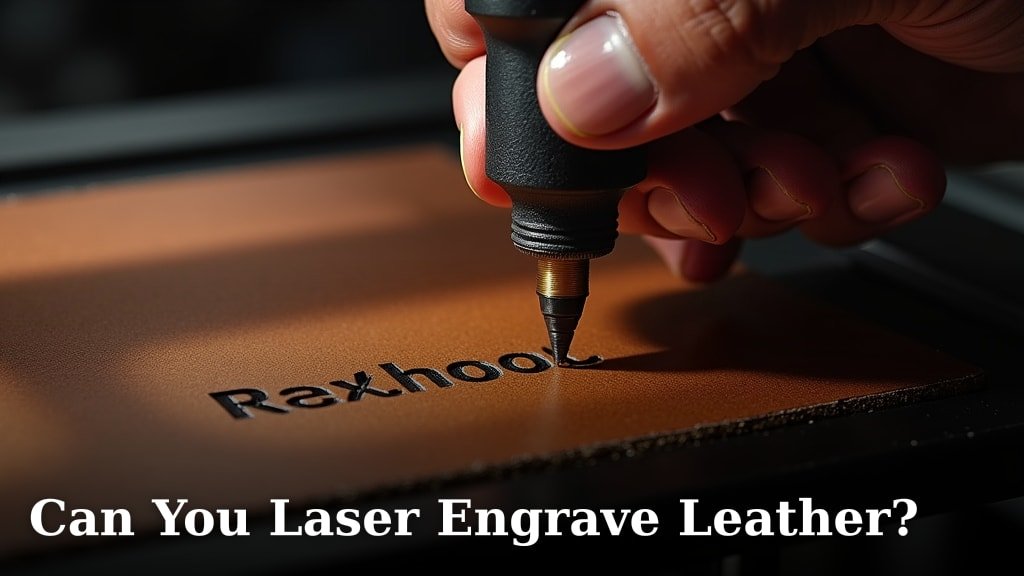
Yes, you can definitely laser engrave leather to create stunning, personalized items. We found that laser engraving offers incredible precision and detail, making it a popular choice for custom leather goods.
This versatile technique works on various leather types, including genuine, faux, and even suede. You can achieve beautiful designs, from sharp text to intricate images, with a laser engraver. It’s truly a game-changer for customization.
- Laser engraving works great on most leather types.
- You can create very detailed and precise designs.
- The process uses a laser to burn or etch the leather surface.
- Results vary depending on the leather and laser settings.
So, how does this magic happen, and what do you need to know before you start? We’ll walk you through everything about laser engraving leather, step by step.
Understanding Laser Engraving Leather
So, you’re curious about how a laser transforms a simple piece of leather into something personalized and special? It’s pretty fascinating. Laser engraving is a process where a focused beam of energy, a laser, precisely removes or burns away the surface layers of your leather material. Think of it like drawing with light, but instead of ink, you’re creating a permanent mark by altering the leather itself.
This technique allows for incredible detail, from crisp text to complex images and patterns. The part of the leather that the laser touches gets heated very quickly. This heat causes the leather to vaporize, char, or change color, creating your design. The depth and darkness of the engraving depend on several factors, including the laser’s power, speed, and the type of leather you’re using.
How Does the Laser Engraving Process Work?
At its core, the process is straightforward, but it involves some cool technology. You start with a digital design on your computer. This design is then sent to the laser engraver. The engraver’s software translates your image into instructions for the laser. It tells the laser exactly where to fire, how intensely, and how fast to move across the leather.
Once the machine gets its instructions, the laser beam starts its journey. It moves back and forth, line by line, much like an inkjet printer. But instead of laying down ink, it’s precisely removing material. The smell of burning leather is common during this stage, so good ventilation is a must. The result is a tactile, visual design permanently etched into your leather item.
Why Laser Engrave Leather? The Benefits Are Clear
Why choose a laser over other methods like stamping or carving? We found several key advantages. First, laser engraving offers unmatched precision. You can achieve details that are simply not possible with other hands-on techniques. Imagine engraving tiny text or intricate logos – a laser handles it with ease.
Second, it’s incredibly versatile. You can engrave almost any design you can create digitally. This opens up a world of customization for items like wallets, belts, journal covers, and even clothing tags. Third, the process is often faster than traditional methods, especially for complex designs. Once your design is ready, the machine does the hard work efficiently.
Finally, laser engravings are durable and permanent. They won’t fade or rub off easily, maintaining their crisp appearance over time. This makes your customized leather goods truly stand the test of time.
Types of Leather Suitable for Engraving
Not all leather is created equal when it comes to laser engraving. Some types respond beautifully, while others might give you less desirable results. Our research shows that understanding your leather is key to a successful engraving project. Generally, natural animal hides tend to engrave best, offering a rich contrast and clean edges.
Genuine Leather: The Gold Standard
When most people think of laser engraving leather, they’re probably imagining genuine leather. This broad category includes full-grain, top-grain, and corrected-grain leathers. These leathers typically yield the best and most consistent results. We found they often create a beautiful dark brown or black contrast against the lighter natural leather color.
- Full-Grain Leather: This is the highest quality leather. It has its natural surface intact. It engraves beautifully, producing deep, rich contrasts.
- Top-Grain Leather: Slightly sanded to remove imperfections. It also engraves very well, offering similar excellent results to full-grain but with a smoother initial surface.
- Vegetable-Tanned Leather: Many experts say this is the ideal type for engraving. It typically offers the sharpest lines and best color change due to its traditional processing (Leathercrafters’ Journal).
- Chrome-Tanned Leather: While still engravable, it can sometimes produce a lighter, less dramatic contrast. It’s often found in softer, more pliable leather goods.
Faux Leather and Synthetic Materials
Can you engrave fake leather? Yes, but with a few caveats. Faux leather, also known as synthetic leather or pleather, is made from materials like polyurethane (PU) or polyvinyl chloride (PVC). These can be engraved, but the results vary greatly. We found that some faux leathers engrave very well, creating a nice contrast, while others might melt, bubble, or produce an undesirable finish.
- PU Leather: Often engraves with a clear, dark line, sometimes revealing a lighter layer underneath. It can be a good substitute for genuine leather engraving.
- PVC Leather: This type can be problematic. When laser engraved, PVC releases chlorine gas. This gas is harmful to you and can damage your laser engraver. For this reason, we strongly advise against engraving PVC. Always confirm the material type before engraving.
- Alcantara or Suede: These materials, while technically not “leather” in the traditional sense (suede is the underside of animal hide, Alcantara is synthetic), can be laser engraved. The results are often subtle, creating a textured, lighter appearance rather than a deep, dark contrast.
A Note on Leather Dyes and Finishes
The dye or finish on your leather can also impact the engraving outcome. Some finishes might create a less defined mark, or the laser might interact differently with certain dyes. Testing a small, inconspicuous area first is always a good idea, no matter the leather type. This helps you confirm the proper laser settings and expected results.
Getting Started: What You Need to Laser Engrave Leather
So, you’re ready to jump in? Here’s a quick look at the essential tools and considerations for your laser engraving journey. It’s not just about having a laser; it’s also about having the right setup and knowing a few key things to get the best outcome.
Essential Equipment Checklist
You’ll need a few core items to begin. Think of this as your starting kit for bringing your designs to life on leather.
- Laser Engraver: This is your primary tool. There are various types, from hobby-level diode lasers to more powerful CO2 lasers. The choice often depends on your budget and desired engraving speed/power.
- Ventilation System: Absolutely critical. Laser engraving leather produces smoke and fumes (sometimes toxic, especially from faux leathers). A good exhaust fan and air filter system are non-negotiable for safety (National Institute for Occupational Safety and Health).
- Computer with Design Software: You’ll need a computer to create or import your designs. Software like Adobe Illustrator, CorelDRAW, or even simpler programs like Inkscape can be used.
- Safety Goggles: Always protect your eyes. Specific safety goggles are designed to block the laser’s wavelength. Normal glasses are not enough.
- Leather Material: Of course! Choose the right type of leather for your project.
- Cleaning Supplies: Denatured alcohol or a gentle cleaner for removing residue after engraving.
Key Settings for Laser Engraving
This is where art meets science. Laser settings are vital for good results. We found that these three factors are your control panel for success.
| Setting | Description | Impact on Engraving |
|---|---|---|
| Power | How strong the laser beam is (often measured in watts or percentage). | Higher power means deeper, darker engraving; too high can cut or burn through. |
| Speed | How fast the laser head moves across the leather. | Slower speed means more laser exposure, leading to darker, deeper marks. Faster speed creates lighter, shallower marks. |
| Resolution/DPI | Dots per inch; how many laser pulses per inch of engraving. | Higher DPI creates finer detail and smoother transitions. Lower DPI can look pixelated. |
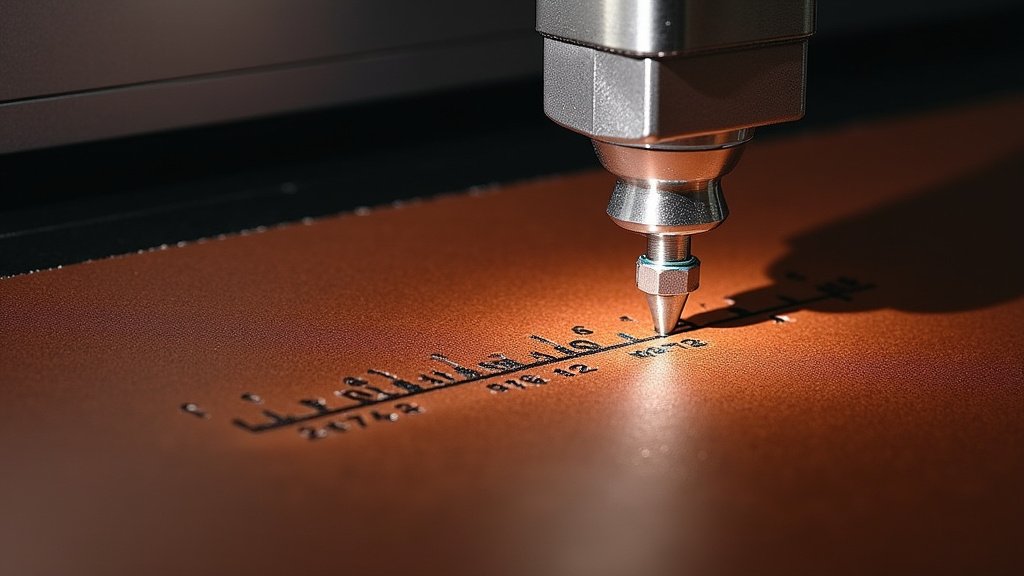
Starting with low power and relatively fast speed, then making gradual adjustments, is a good strategy. Always perform test engraves on scrap pieces of the exact leather you plan to use. This saves you from potentially ruining your main project.
Tips for Achieving the Best Results
You’ve got your gear, you know your leather. Now, how do you make sure your engraved piece looks amazing? Here are some top tips we’ve gathered from experienced laser engravers.
Prepping Your Leather for Engraving
A little preparation goes a long way. Before you even send your design to the laser, consider these steps:
- Clean the Surface: Ensure your leather is free of dust, oils, or any debris. A clean surface helps the laser make consistent marks.
- Flatten Your Leather: If your leather isn’t perfectly flat, the laser’s focus might be off, leading to inconsistent engraving depth. Use magnets or clamps to hold it flat.
- Masking Tape (Optional): For some types of leather, especially those with smooth finishes, a layer of masking tape can help prevent charring or smoke stains around the engraving. Just remove it carefully afterward.
Post-Engraving Care: Making It Shine
Once the laser has finished its work, your job isn’t quite done. A little post-processing can truly help your design pop and ensure its longevity.
- Clean Off Residue: You’ll likely see some dark dust or residue on and around the engraving. Use a soft brush, a damp cloth, or a cotton swab with a bit of denatured alcohol to gently clean this away. Be careful not to scrub too hard, especially on sensitive leathers.
- Condition the Leather: Engraving can dry out the leather slightly. Applying a good quality leather conditioner after cleaning will nourish the material and restore its natural suppleness. This also helps the engraved area stand out.
- Protect Your Work: For items that will see a lot of handling, consider applying a leather sealant or protectant. This adds a layer of defense against wear and tear, keeping your personalized design looking great for longer.
Conclusion
You’ve now seen that laser engraving leather is a fantastic way to personalize items with incredible detail and lasting quality. From genuine leather to some synthetics, the potential for unique designs is vast. We found that understanding your materials and mastering laser settings are key to success. Remember, safety and testing scrap pieces are always your best friends.
Ready to create something amazing? Grab your chosen leather, set up your engraver, and start bringing your personalized visions to life. The precision and durability of laser-etched leather will surely impress.
Frequently Asked Questions
Can laser engraving damage the leather over time?
When done correctly, laser engraving is permanent and won’t inherently damage the leather’s structural integrity. Improper settings, like too much power, can burn through the leather. However, a well-executed engraving simply alters the surface for a lasting design.
What’s the best laser engraver type for leather?
For most leather projects, a CO2 laser engraver offers excellent results due to its power and versatility. Diode lasers can also engrave leather but might be slower or achieve less contrast on certain types. Your choice depends on your budget and desired output.
Does laser engraving leather smell bad?
Yes, laser engraving leather definitely produces a distinct burning smell, which many describe as similar to burnt hair or barbecue. Good ventilation is not just for safety but also to manage this odor. The smell usually dissipates from the engraved item after a short while.
Can I add color to laser-engraved leather?
Absolutely! After engraving, you can enhance your design by adding specialty leather dyes, paints, or antique gels to the etched areas. This allows for even more customization and can make your engraved details truly pop.
Is it difficult to learn how to laser engrave leather?
Laser engraving leather has a learning curve, but it’s very accessible. We found that with practice, patience, and careful testing, you can quickly achieve great results. Start with simple designs and scrap materials to get comfortable with your machine and its settings.
